Key Takeaways
- Rum is distilled only from sugarcane, fresh juice or molasses, the variation comes entirely from where it's made, how it's aged, and by whom.
- Agricole rum, made from fresh cane juice rather than molasses, mostly in Martinique, is grassy and funky enough to be its own category.
- Aged rum rewards the same patience as whiskey, and pairs naturally with cigars from the same rum-and-tobacco regions like Cuba, Nicaragua, and the Dominican Republic.
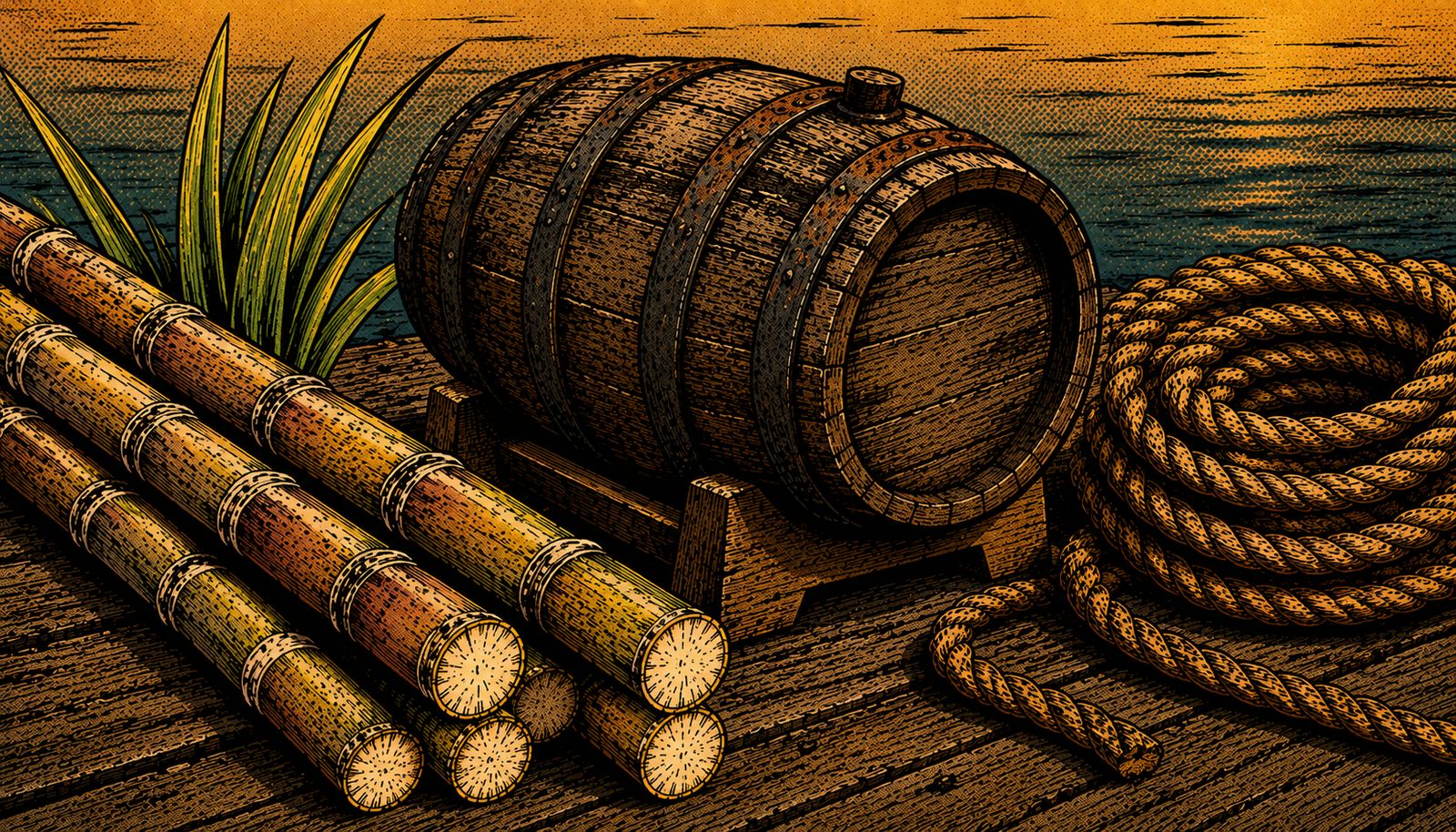
Rum is one of the most misunderstood spirits on the shelf. Most people know it from beach bars and summer drinks. That's a shame, because aged rum belongs in a different conversation entirely.
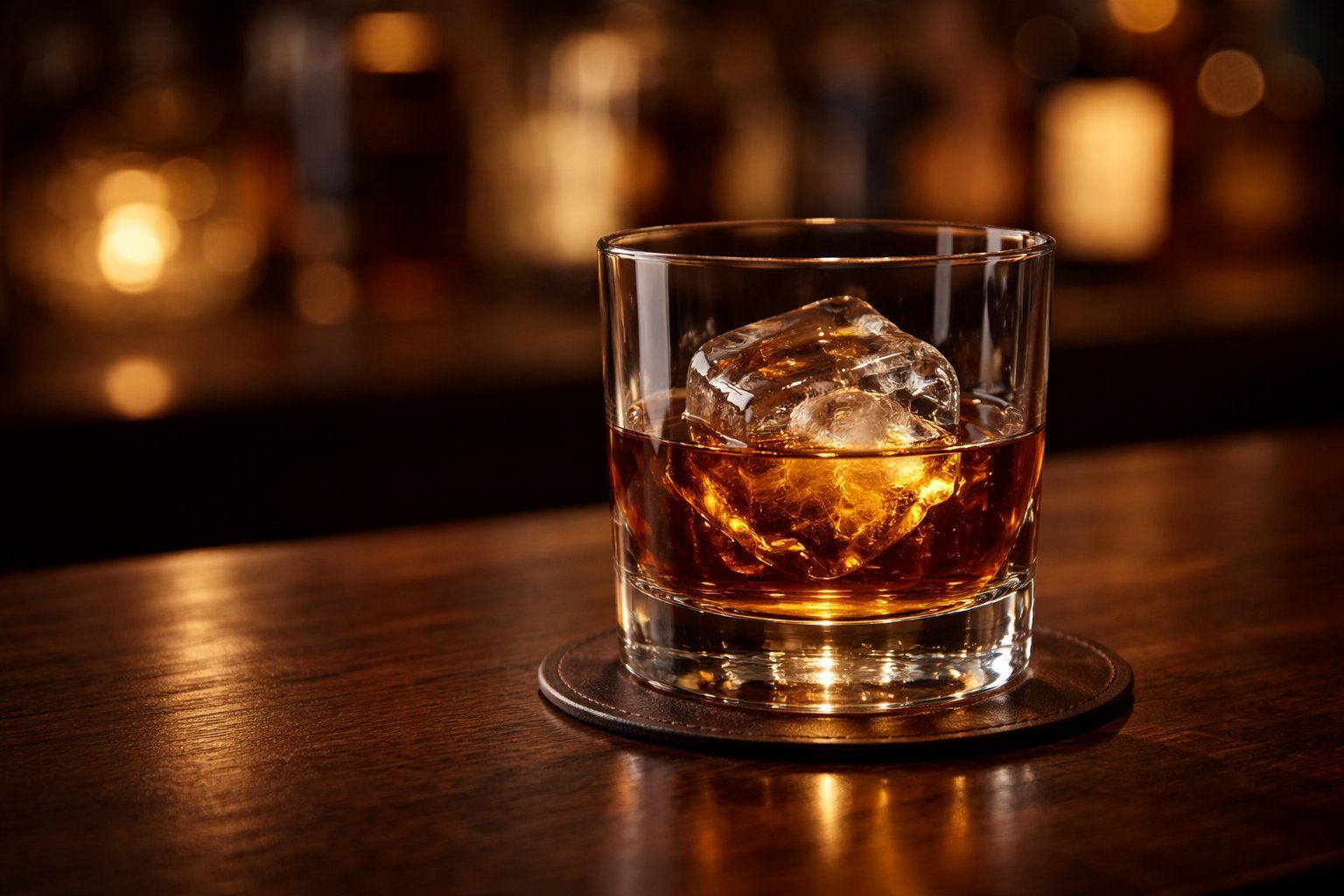
Ernest Hemingway understood this. In the early 1930s, he wandered into El Floridita bar in Havana, tried a daiquiri, and reportedly told the bartender he wanted it with less sugar and double the rum. That drink became known as the Papa Doble, named for Hemingway's nickname, and it turned El Floridita into one of the most famous bars in the world. He was said to have once drunk 17 of them in a single afternoon. Whether that's true or legend, it says something about his faith in rum.
Where It Comes From
Rum is distilled from sugarcane, either fresh juice or molasses. That's it. The variation comes from where it's made, how it's aged, and who made it. The Caribbean produces most of the world's rum, but South America, Central America, and even Europe all have their own traditions.
The Main Styles
White Rum Unaged or lightly filtered. Clean, light, built for mixing. It's the workhorse of cocktails but rarely interesting on its own. Think Bacardi Superior or Havana Club 3.
Gold Rum Picks up color and character from oak barrels. A step up in complexity. Good for sipping or in drinks where you want more depth. Appleton Estate Signature is a good starting point.
Dark Rum Aged longer, richer in character. Worth noting: some producers add molasses back in after distillation for color and sweetness, while others like Diplomatico Reserva Exclusiva and Mount Gay Black Barrel achieve that depth through barrel aging alone. The latter are more interesting. Pairs beautifully with cigars.
Agricole Rum Made from fresh sugarcane juice rather than molasses. Produced mainly in the French Caribbean, Martinique especially. Grassy, funky, complex. Rhum J.M and Clement are the names to look for. A different animal entirely.
How to Drink It
Start with an aged rum neat or with a single ice cube. Give it time. Rum rewards patience the same way whiskey does. If it's good, you'll smell vanilla, caramel, dried fruit, a hint of oak, among other notes.
One thing worth knowing: some of the world's great rum-producing regions are also home to legendary cigar traditions. Cuba, Nicaragua, the Dominican Republic, Jamaica. The same soil, climate, and craft culture that produces exceptional tobacco also produces exceptional rum. They're a match made by geography as much as by taste. When you're pairing a full-bodied Nicaraguan cigar with an aged Nicaraguan rum, you're tasting two expressions of the same place.
Don't let the cocktail reputation fool you. Some of the world's most interesting aged spirits happen to be rum. Hemingway knew it. So did the pirates, the plantation owners, the sailors, and the distillers who spent generations refining it.
The Journal goes beyond the bottle.
One thoughtful piece each week on fragrance, spirits, cigars, and the stories behind them.

Sources
- The Papa Doble's origin at El Floridita with bartender Constantino "Constante" Ribalaigua, and Hemingway's request for a daiquiri with "less sugar and more rum": NPR's "The Cocktail King Of Cuba", drawing on Philip Greene's book To Have and Have Another: A Hemingway Cocktail Companion. Author Phillip Greene there gives 17 as the figure for Hemingway's own boasted afternoon record, dated to 1942; Mashed reports the same house-record story but notes the number "ranges anywhere from 12 to 17" depending on the retelling and calls it unverifiable. Treat the exact count as bar legend rather than a documented fact.
- Rum's legal definition as a spirit distilled from the fermented juice, syrup, molasses or other by-products of sugarcane: 27 CFR §5.147, the U.S. federal standard of identity for rum.