Key Takeaways
- Nathan "Nearest" Green, an enslaved man, taught Jack Daniel the charcoal-mellowing process that defines Tennessee whiskey, and later became his first master distiller, though his name was left off the brand for over a century.
- Black Wall Street in Tulsa was burned to the ground in 1921, and brands like Greenwood Whiskey and Brough Brothers Distillery now carry that legacy forward in bourbon country.
- A wave of Black-founded fragrance houses, Chris Collins, Moodeaux, Kimberly New York, Qhue, Harlem Perfume Co., La Botica, are building outside the traditional Paris-New York-London training pipeline.
Juneteenth marks the day in 1865 when enslaved people in Texas learned they were free, two and a half years after the Emancipation Proclamation. That gap, two and a half years of freedom nobody told them about, is worth contemplating on its own. This piece looks at what got built in this country, and who built it without credit.
The fragrance, spirits, and tobacco industries all carry that history. Some of it is documented. Most of it is not.
The Man Who Taught Jack Daniel
The most documented case is also the most telling. Nathan 'Nearest' Green was an enslaved man working on a farm in Lynchburg, Tennessee in the mid-1800s. A young Jack Daniel was sent to that farm as a chore boy and became Green's apprentice. Green taught him the Lincoln County Process, charcoal mellowing through sugar maple charcoal, the technique that defines Tennessee whiskey and separates it from bourbon to this day.
After emancipation, Jack Daniel appointed Green as his distillery's first master distiller, widely credited as the first Black master distiller on record in the United States. For over a century, that fact was buried. Daniel's name became one of the most recognized spirits brands in the world. Green's name appeared nowhere.
In 2016, the New York Times published a story about the distillery's 'hidden ingredient.' The following year, author and entrepreneur Fawn Weaver began a 12-month research project involving over 20 historians, archivists, and genealogists. By 2019 she had raised $40 million to launch Uncle Nearest Premium Whiskey and open the Nearest Green Distillery in Shelbyville, Tennessee. Victoria Eady Butler, Green's fifth-generation descendant, serves as the brand's master blender.
Uncle Nearest has since become one of the fastest-growing independent premium whiskey brands in American history. Green's story did not change what Jack Daniel's is. But it changed what the record says about who built it.
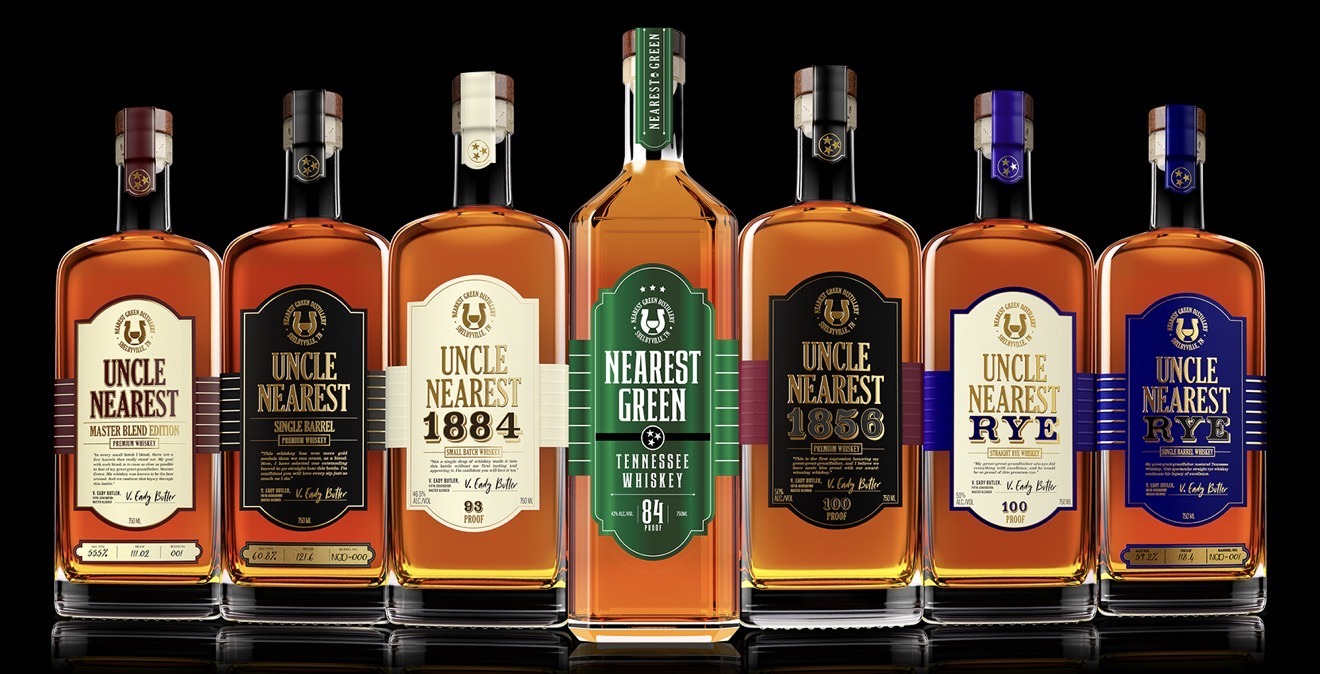
The Uncle Nearest lineup. Photo courtesy of Uncle Nearest Premium Whiskey.
Black Wall Street and the Spirits Trade
The Greenwood District of Tulsa, Oklahoma was one of the most prosperous Black communities in American history. By 1921 it was home to an estimated 10,000 residents and several hundred Black-owned businesses, hotels, theaters, doctors' offices, and two newspapers, all within a few square blocks known nationally as Black Wall Street.
On May 31 and June 1, 1921, a white mob, some of them deputized by the city itself, burned Greenwood to the ground. Over roughly 24 hours, more than 1,000 homes and businesses were destroyed across 35 city blocks. The official death toll at the time was 36. Historians now believe the real number may have been as high as 300. No one was ever convicted. Insurance claims were denied because the destruction was officially classified as a riot, not an attack.
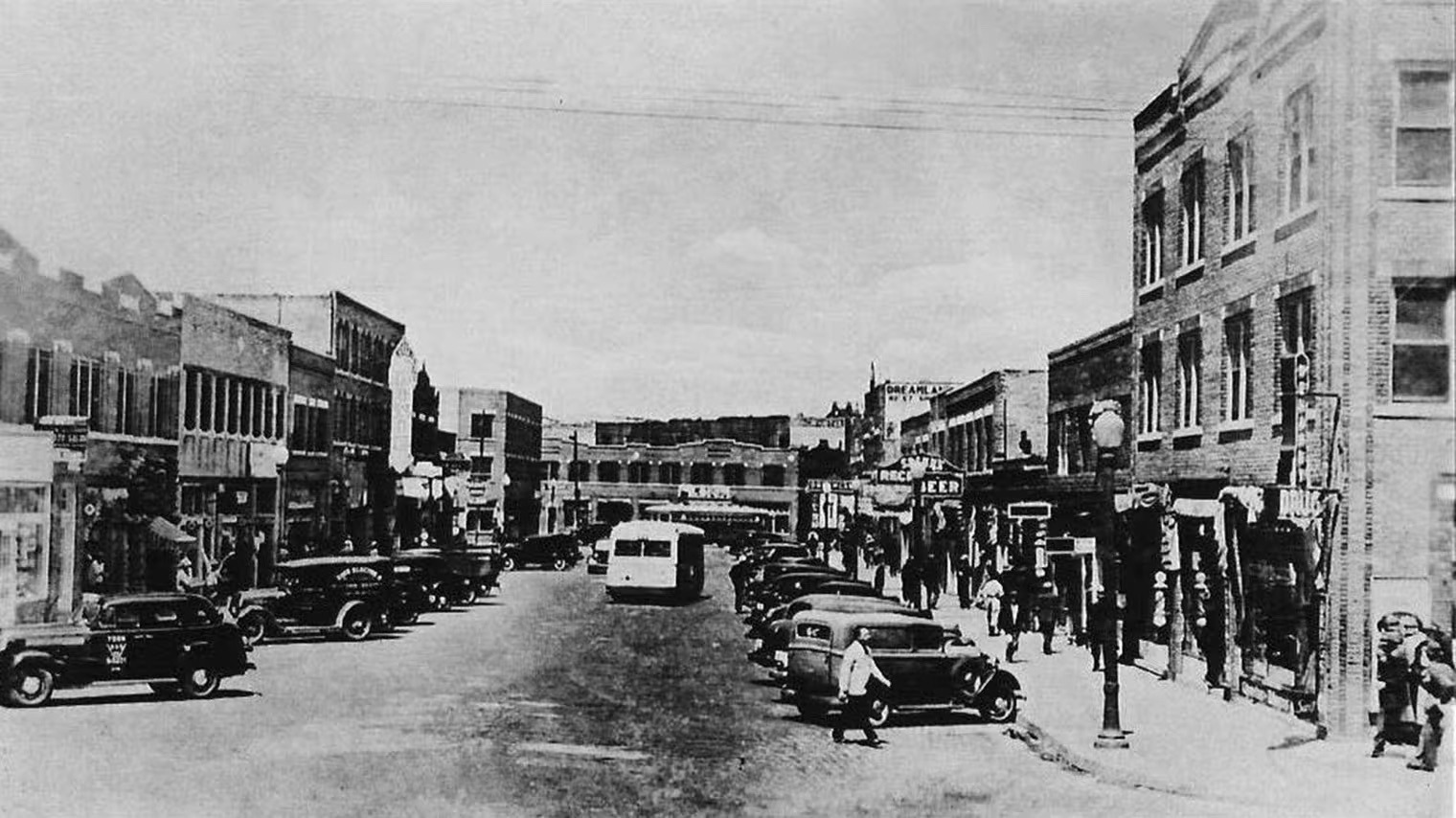
North Greenwood Avenue, Tulsa, Oklahoma, before 1921. Collection of the Smithsonian National Museum of African American History and Culture.
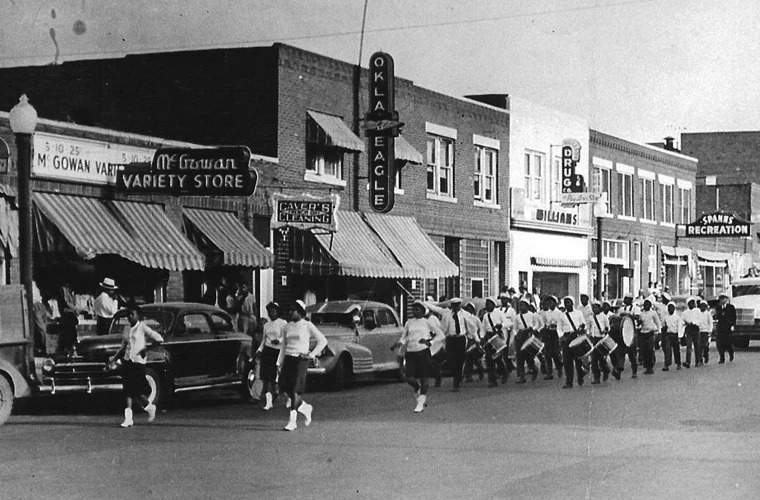
Greenwood Avenue. McGowan Variety Store, the Okla Eagle, and Dreamland Theatre visible along the strip. Collection of the Smithsonian National Museum of African American History and Culture.
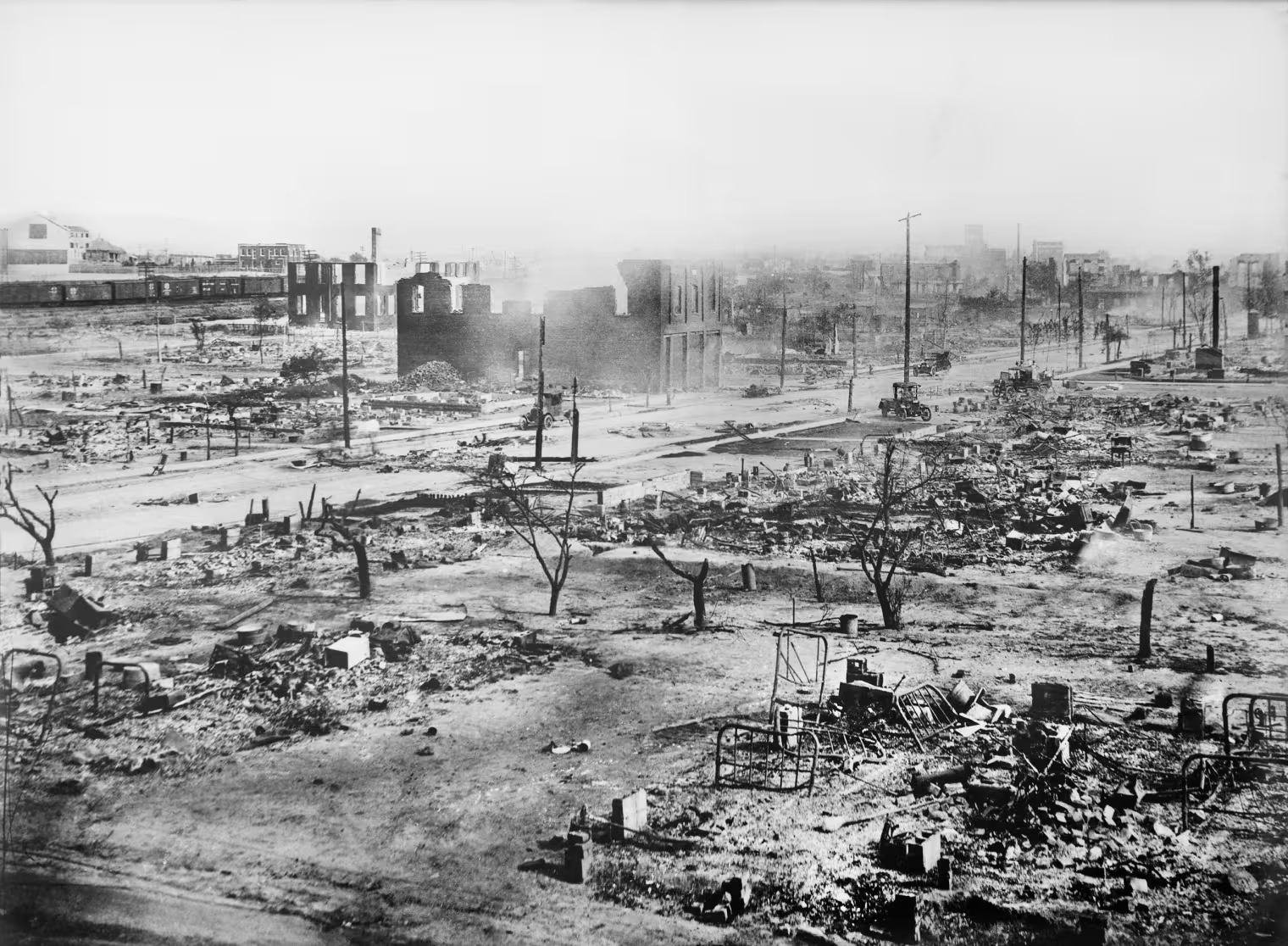
The same district after the June 1, 1921 massacre. Collection of the Smithsonian National Museum of African American History and Culture.
Carrying the Name Forward
Black Wall Street was burned once. It was not forgotten. Greenwood Whiskey exists because of that memory, founded by Kweillin Gordon, Sheldon Johns-Harris, James Roach, and Che Bailey specifically to carry the name and the entrepreneurial spirit of Greenwood into a bottle.
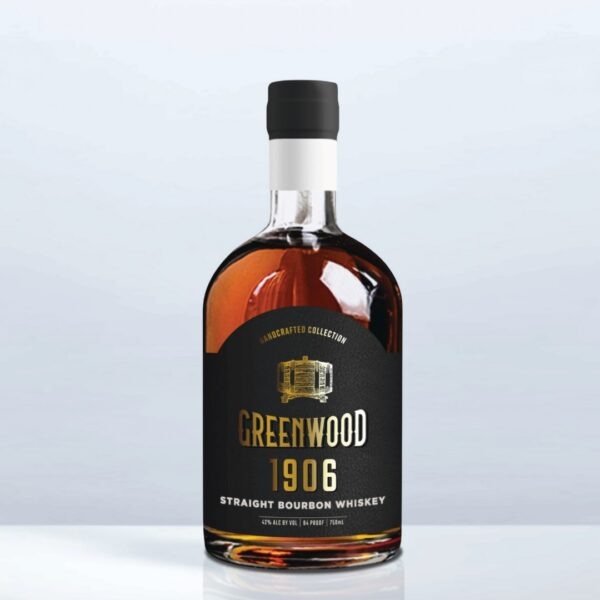
Greenwood 1906 Straight Bourbon Whiskey. Photo courtesy of Greenwood Whiskey.
Tulsa is not the only place where that same drive shows up in a bottle. Brough Brothers Distillery in Louisville, Kentucky holds the distinction of being the first Black-owned distillery in the state, which is the heart of bourbon country. Founded by brothers Victor, Chris, and Bryson Yarbrough, the distillery produces bourbon and has built a national following since opening. Opening a distillery in Kentucky as a Black-owned operation is not a small thing. The history of that industry and that state makes it significant.
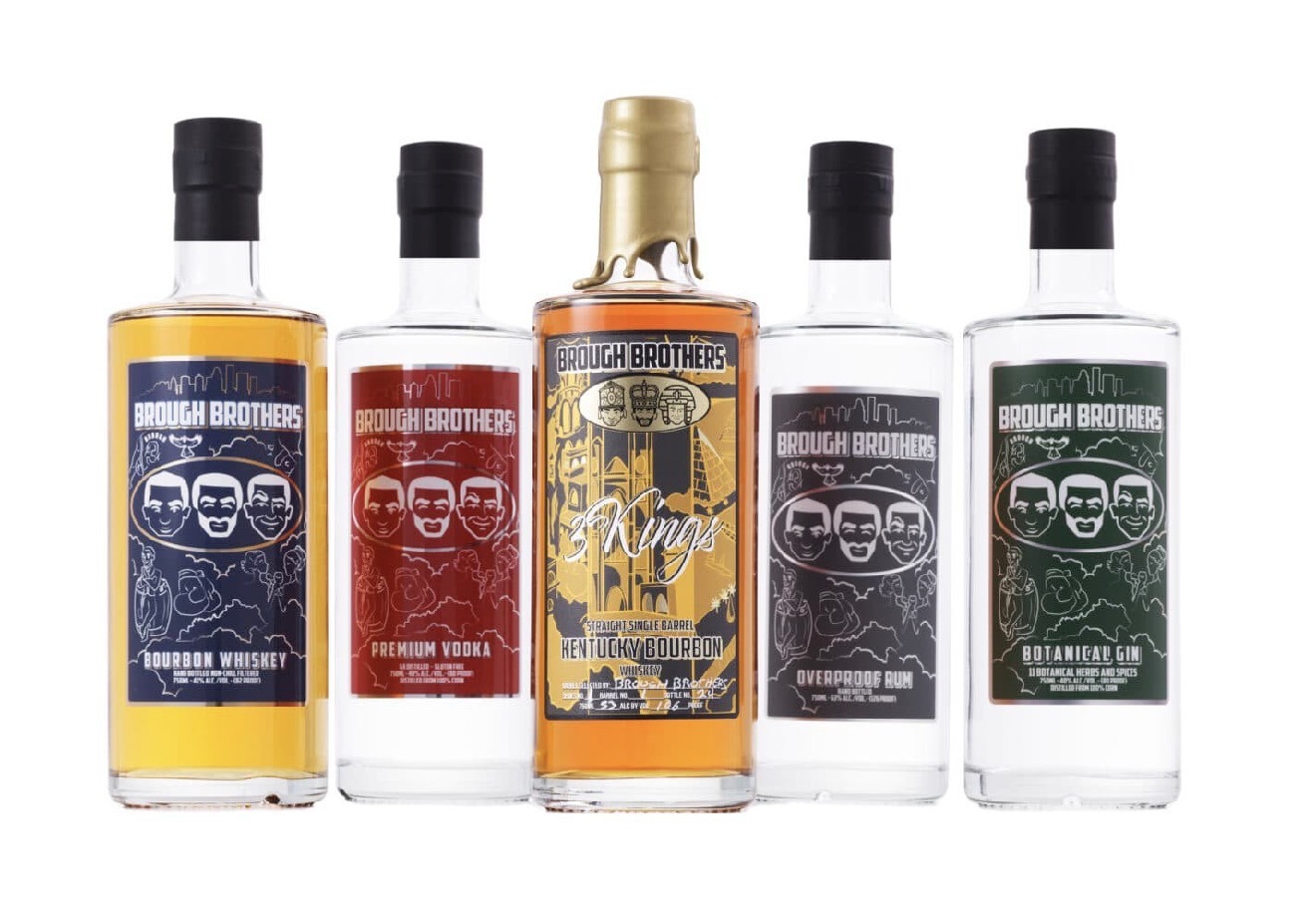
Brough Brothers Distillery, full lineup. Photo courtesy of Brough Brothers Distillery.
Delta Dirt Distillery in Helena, Arkansas is a family operation four generations deep. The Williams family farmed sweet potatoes in the Arkansas Delta for decades before transitioning to distilling sweet potato-based spirits, including their Arkansas Brown whiskeys. The brand was featured on NBC Nightly News with Lester Holt. They are making whiskey from what their land grows, not the way everyone else makes it.
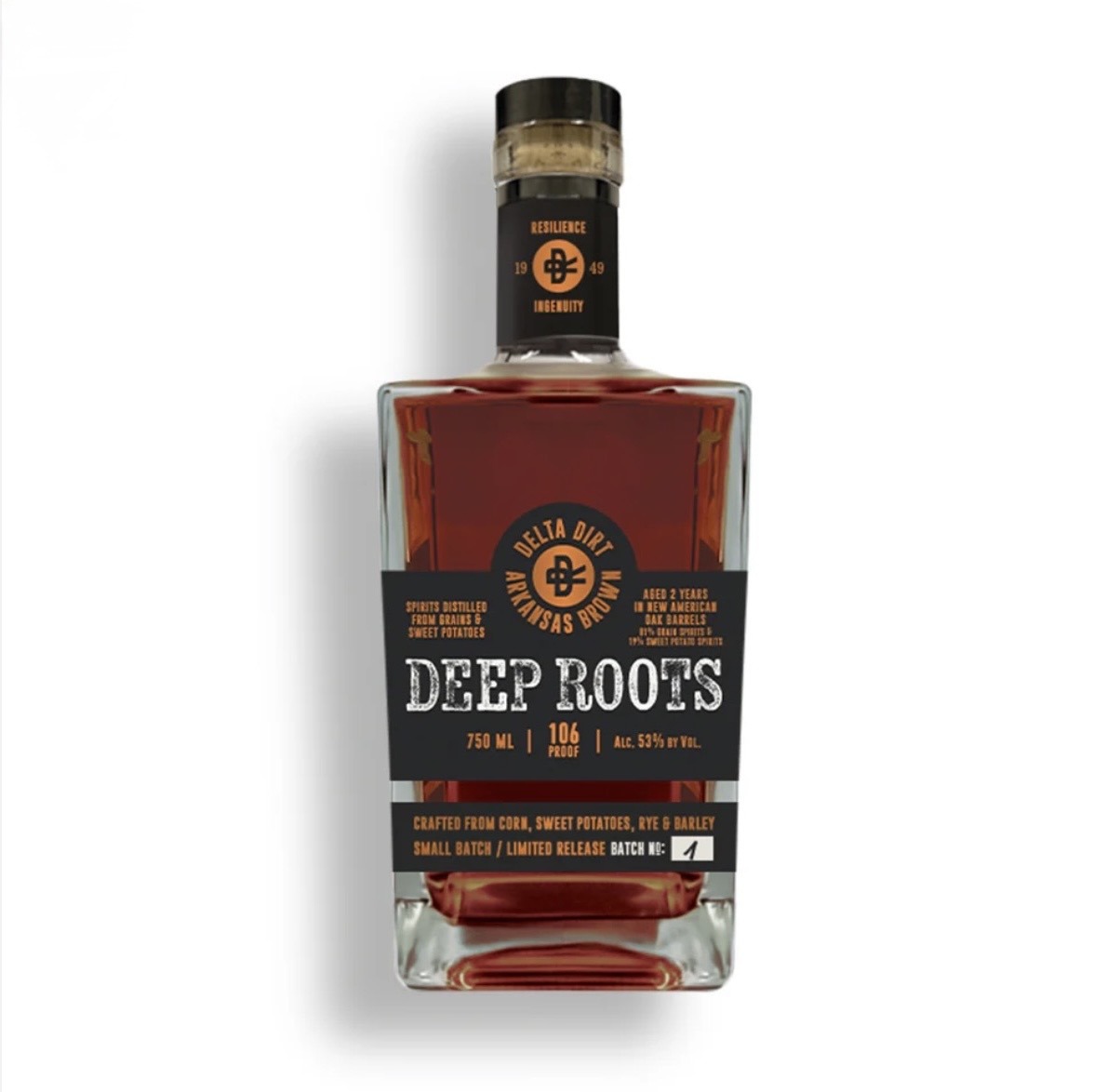
Delta Dirt Distillery, Deep Roots Arkansas Brown. Photo courtesy of Delta Dirt Distillery.
Building Their Own Path
The fragrance industry has a representation problem that it has been slow to acknowledge. Career-data aggregator Zippia estimates 68.6% of perfumers in the US are white, compared with 7.9% Black, though that figure comes from a sample of just 42 resumes, for an occupation the federal government doesn't track as its own category. Treat it as a rough estimate, not a census. The major houses in Paris, New York, and London have historically trained and promoted through networks that rarely included Black perfumers. The education pipeline, centered on French perfumery schools, has been financially and geographically out of reach for most.
A small number of founders have built their own paths anyway.
Chris Collins spent years as a model for Ralph Lauren before turning to fragrance. He launched World of Chris Collins in 2018, a luxury line built around personal narrative and cultural memory. His fragrances draw on cities, moments, and a sense of elegance rooted in his own experience rather than the European luxury codes most houses default to. Collins maintains close relationships with his retail partners and has positioned the brand squarely in the niche prestige category.
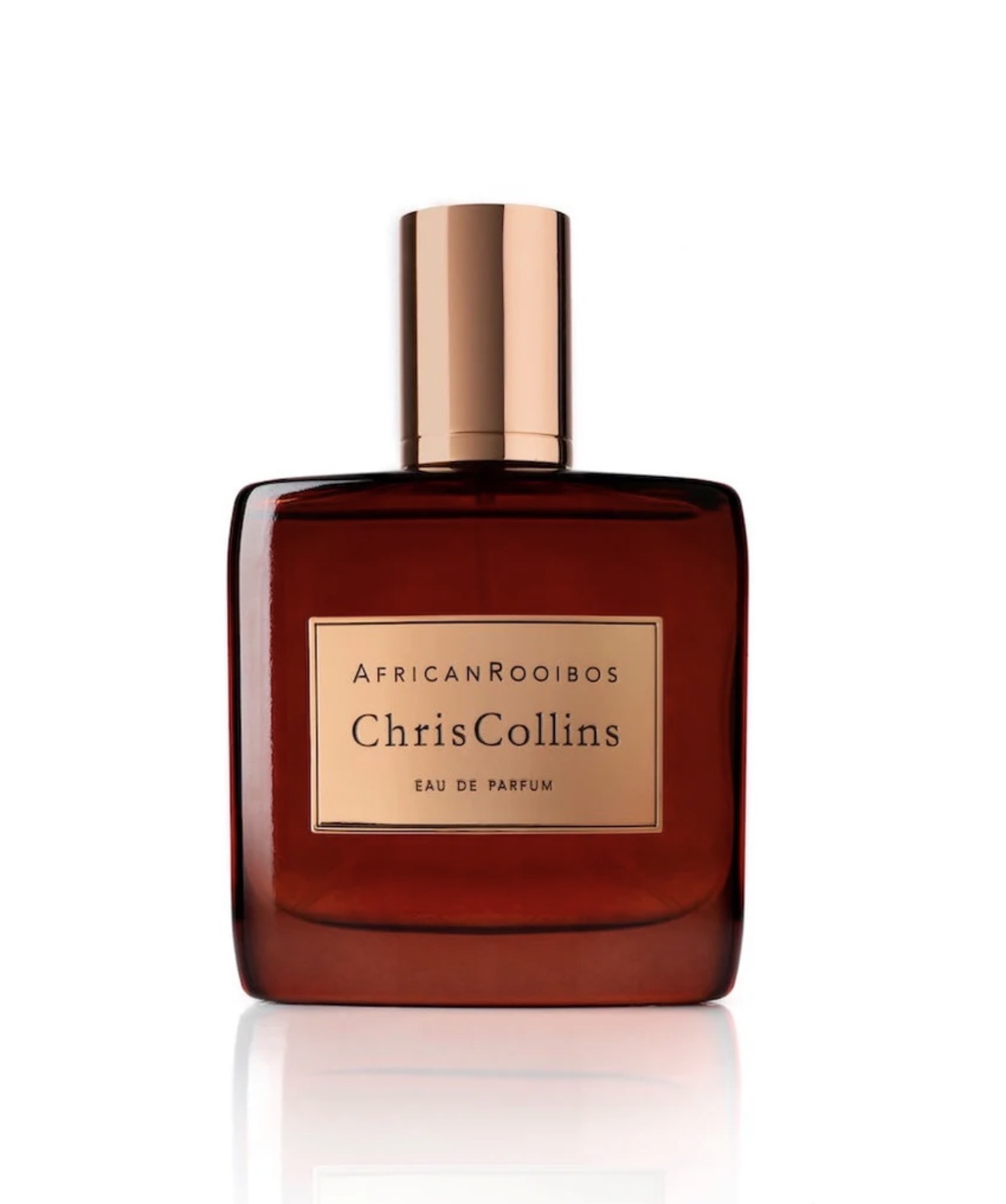
World of Chris Collins, African Rooibos. Photo courtesy of World of Chris Collins.
Brianna Arps founded Moodeaux, widely described as the first Black-owned perfume brand at Credo, one of the most significant clean beauty retailers in the US. She also launched Black in Fragrance, a movement aimed at creating pathways for underrepresented perfumers into the industry. She won Essence’s 2023 Best in Black Beauty "Beauty Boss of the Year" award.
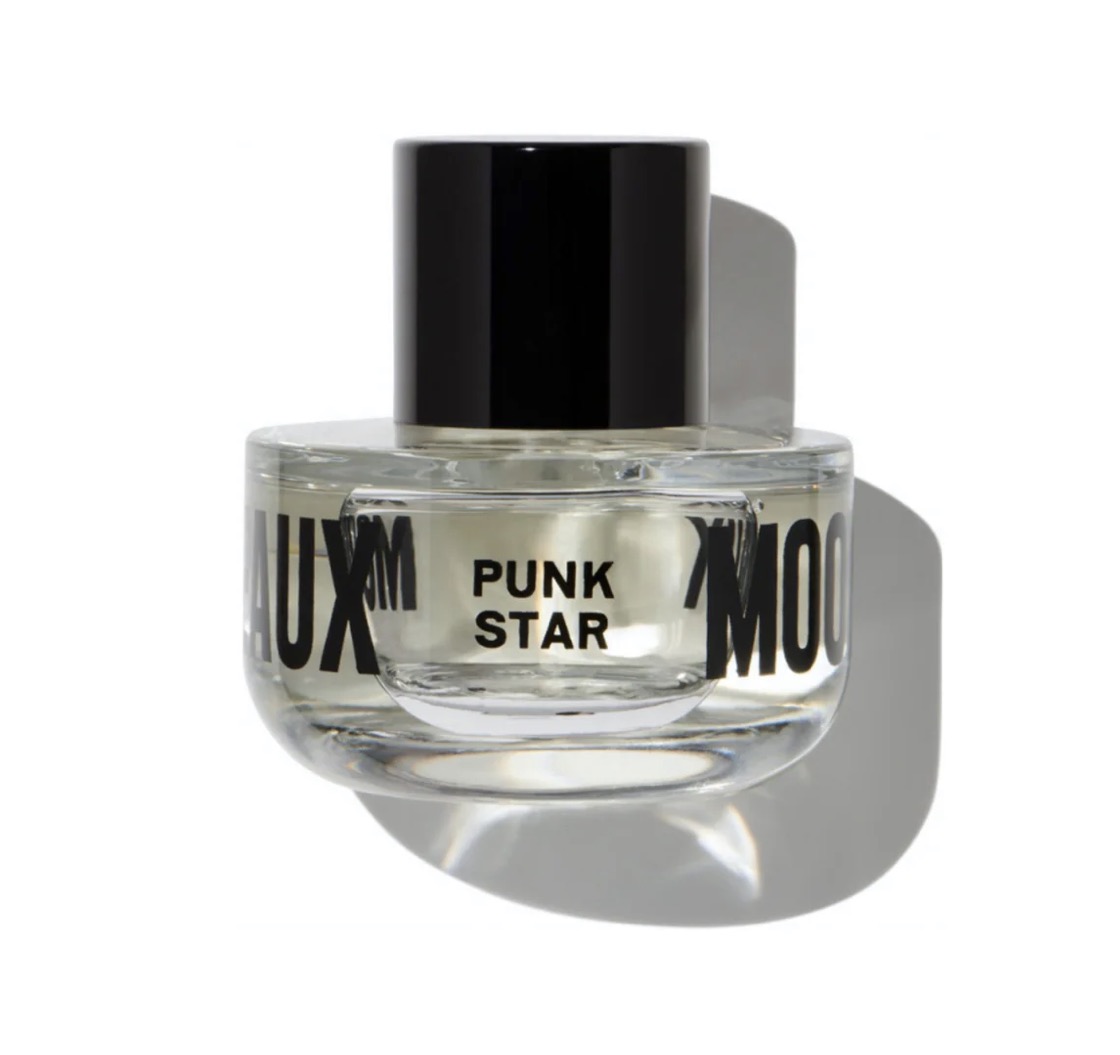
Moodeaux. Photo courtesy of Moodeaux.
Kimberly Walker spent ten years as a luxury fragrance sales manager at department stores without once encountering a brand led by a Black female perfumer. That absence is what motivated her to teach herself fragrance chemistry and launch Kimberly New York. Her first fragrance, Artsy, remains her best seller.
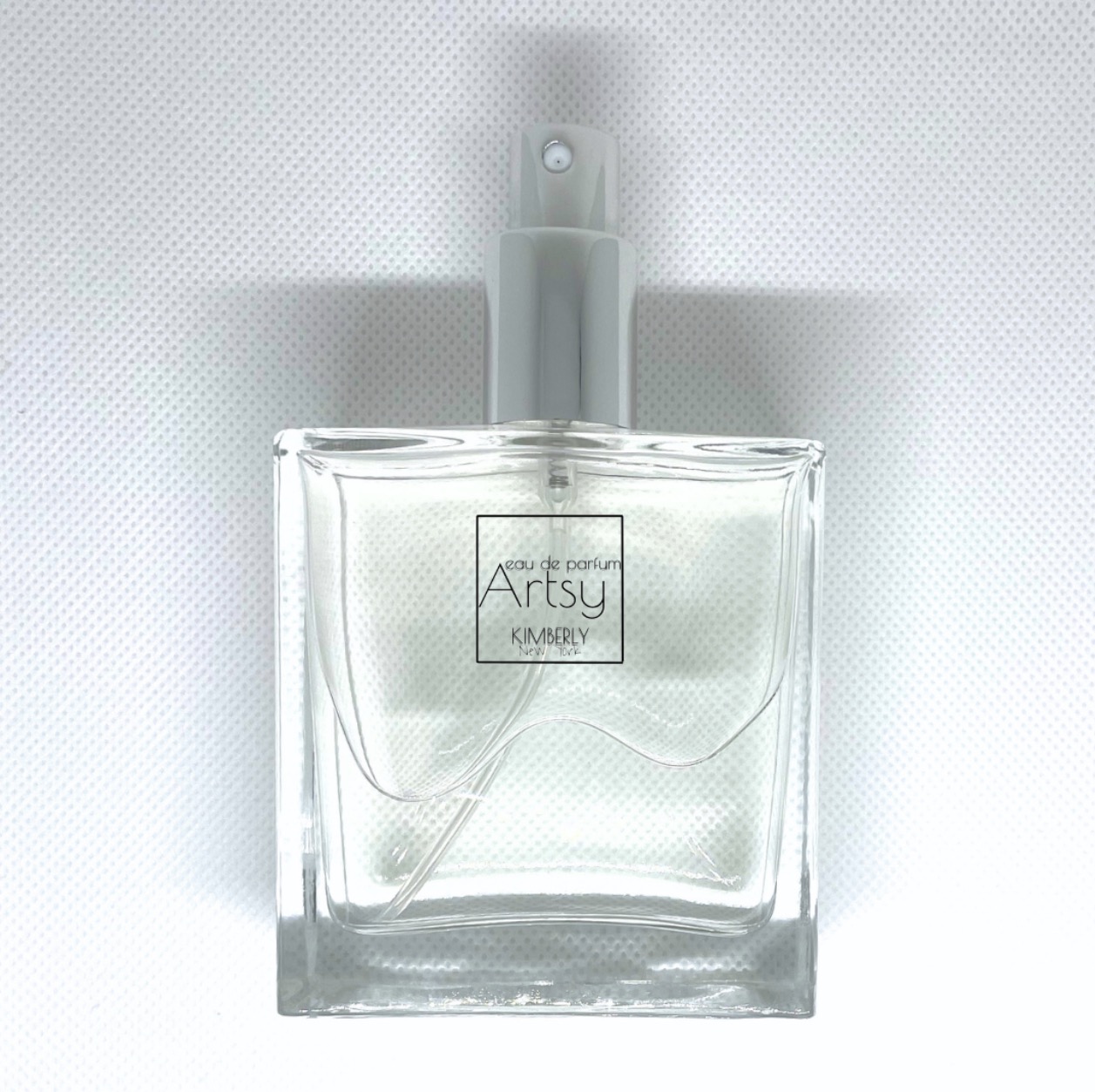
Kimberly New York, Artsy. Photo courtesy of Kimberly New York.
Quentin Hernandez founded Qhue New York in 2018 after a decade working in fashion. He is self-taught. The brand produces parfums, candles, and diffusers housed in sleek cement vessels, built around a minimalist aesthetic that competes directly with the European niche brands that dominate the market. Qhue is now carried at Nordstrom. The fragrances are European-crafted compositions blended with natural essential oils, a level of production quality that most independent brands at this stage do not reach.
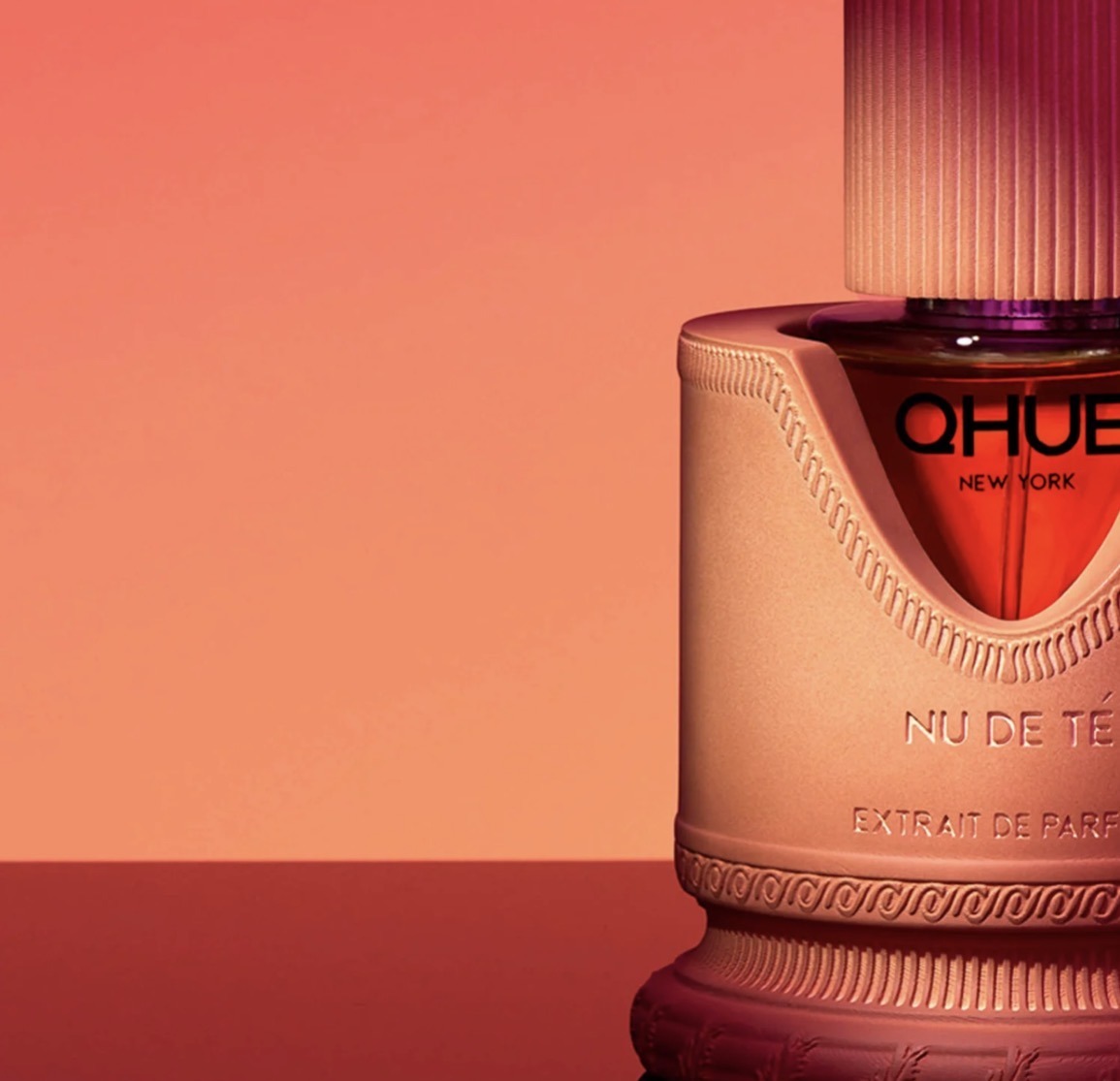
Qhue New York, Nu de Té. Photo courtesy of Qhue New York.
Harlem Perfume Co., founded by Teri Johnson, is rooted in the Harlem Renaissance. Each fragrance is named after and inspired by a cultural icon from that era: Billie Holiday, Josephine Baker, Duke Ellington, Langston Hughes. The brand entered Sephora's Accelerate program in 2024, bringing it into one of the most influential retail pipelines in the US beauty industry. Johnson is also behind Harlem Candle Company, which built its following before the perfume line launched. The storytelling is inseparable from the product.
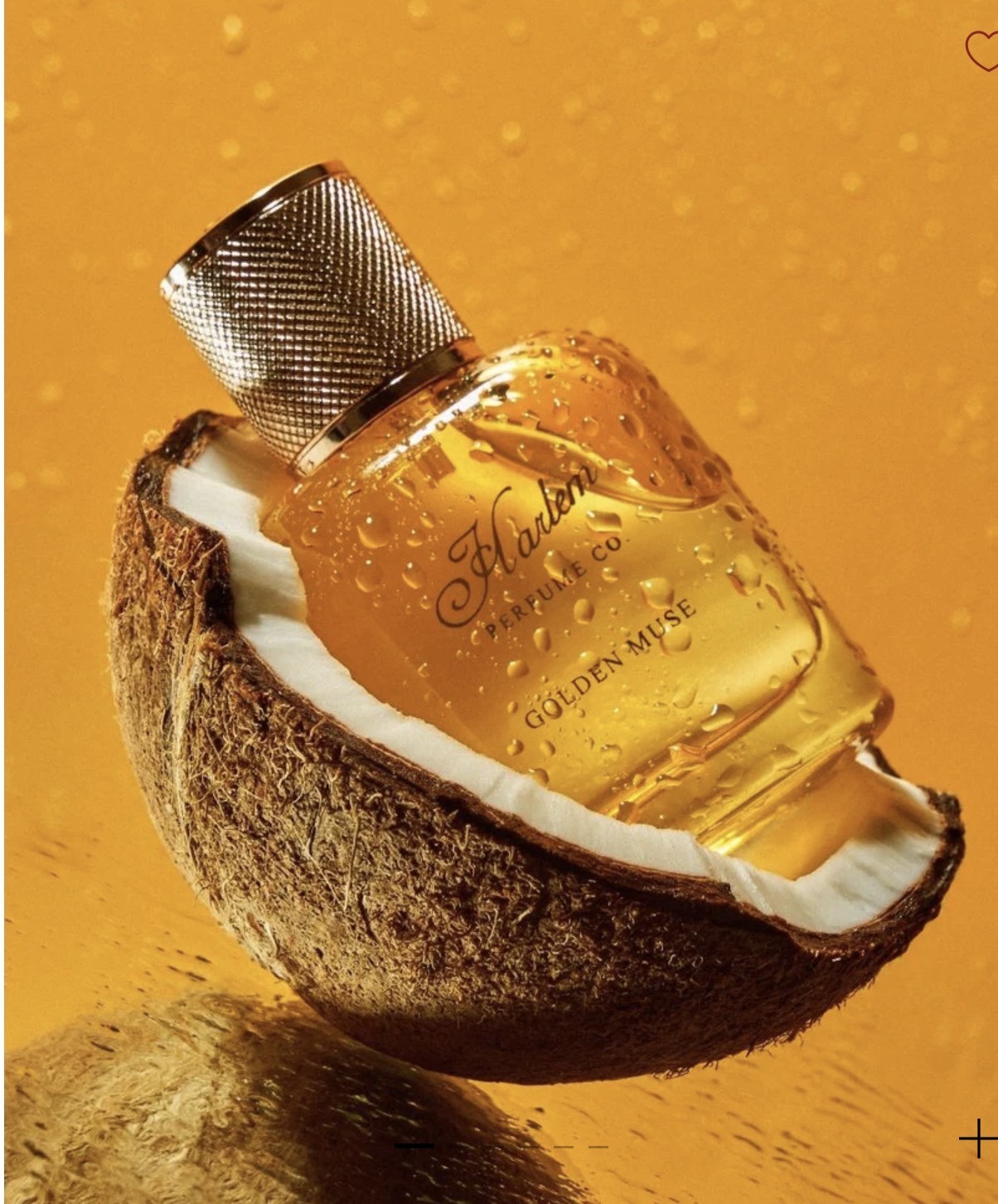
Harlem Perfume Co., Golden Muse. Photo courtesy of Harlem Perfume Co.
La Boticá was founded by Dawn Marie West, an Afro-Dominican photographer and creative director. Launched in 2018, the brand produces candles and perfumes that draw on her Caribbean heritage and visual arts background. The packaging is gallery-worthy. The sourcing is small-batch and sustainable, down to Palo Santo harvested from a family-run farm in Ecuador. West is building something with a cultural argument embedded in it.
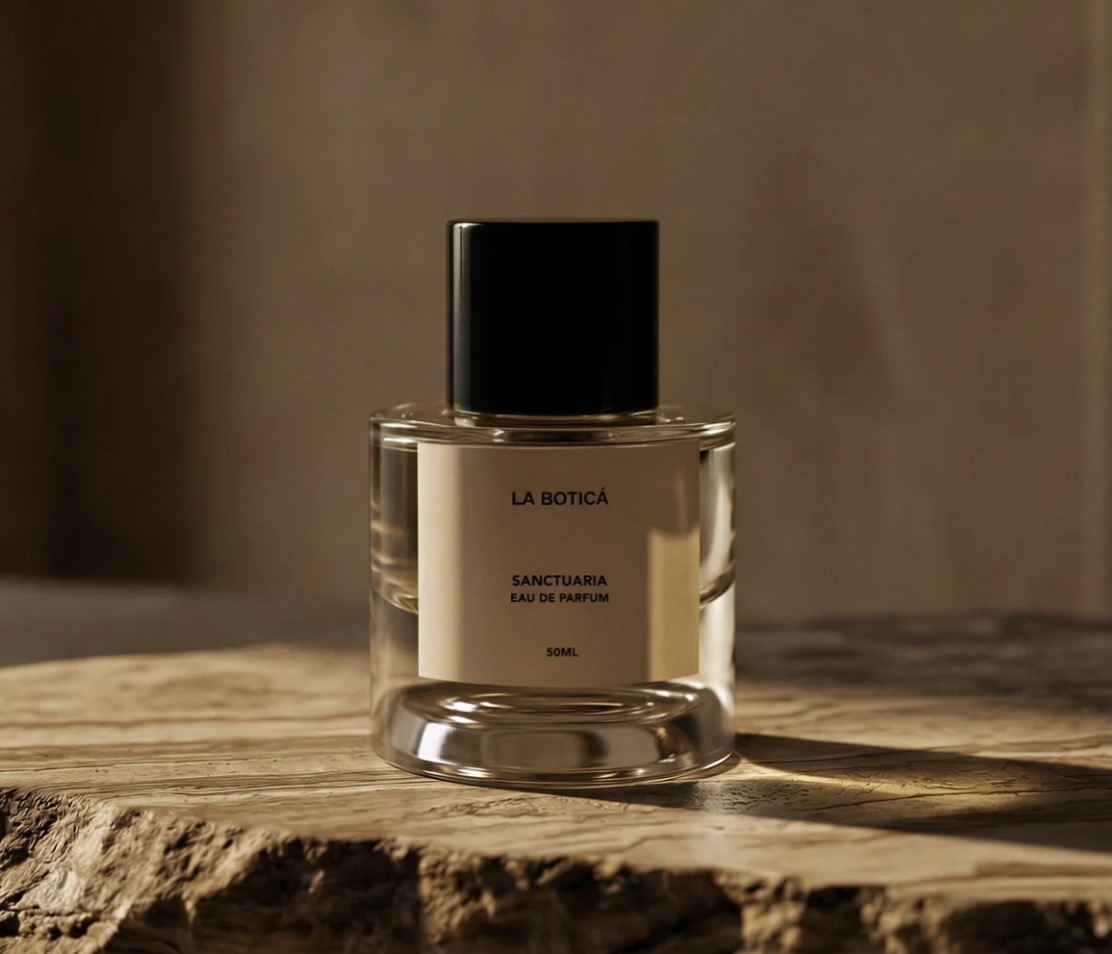
La Boticá. Photo courtesy of La Boticá.
The Tobacco Connection
Tobacco has a longer and more direct relationship with slavery than almost any other commodity in American history. Virginia's tobacco economy ran first on indentured servants, then shifted decisively toward enslaved labor by 1700, and stayed dependent on it for the century and a half that followed. The plant and the institution were financially inseparable.
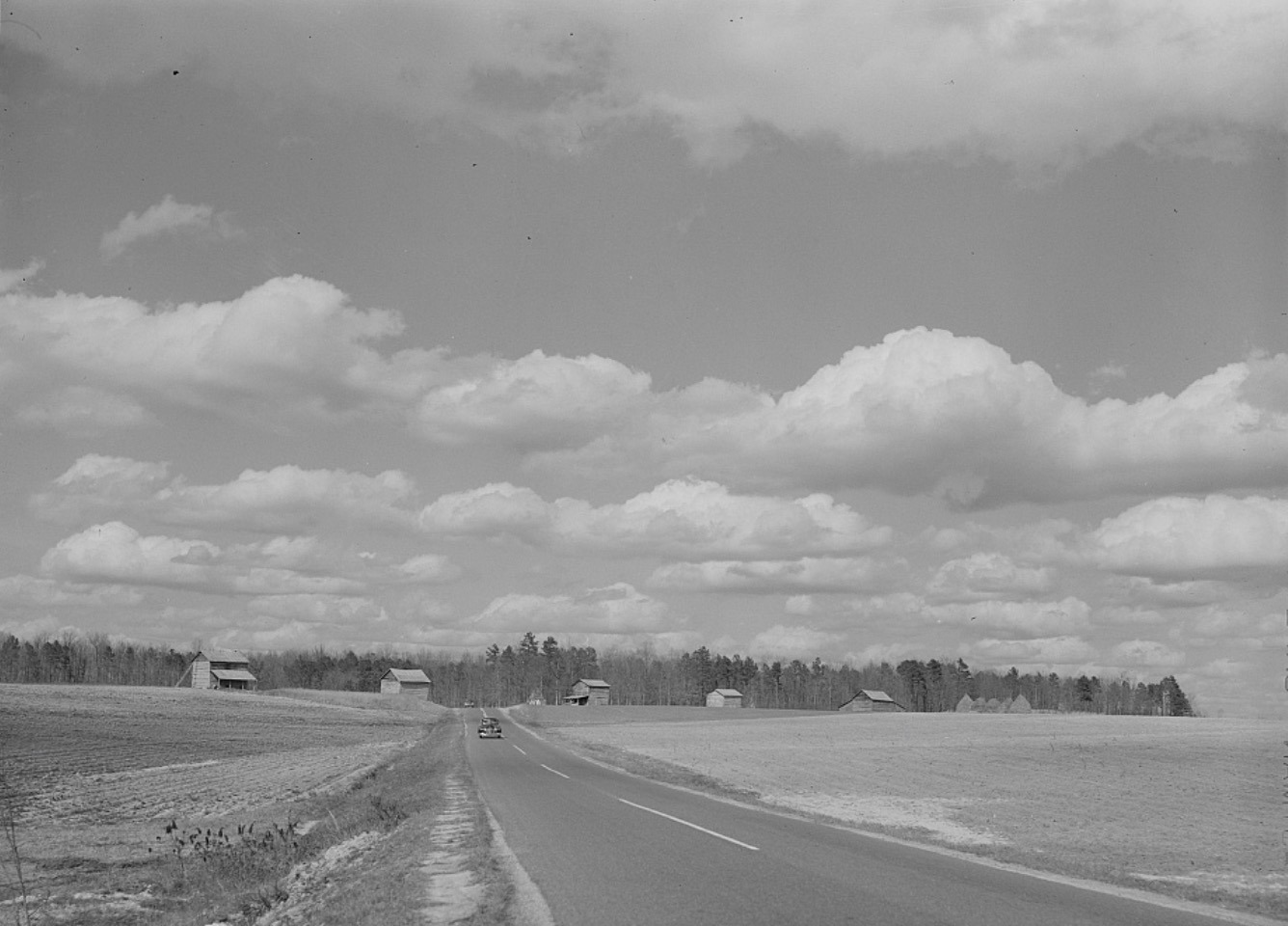
Tobacco country, rural Virginia. Farm Security Administration/Office of War Information Collection, Library of Congress.
Enslaved people in Virginia and the Carolinas then cultivated the very crop that had been used to enslave them. The knowledge of how to grow, hang, cure, and grade tobacco was the foundation of those colonial economies, not incidental to them.
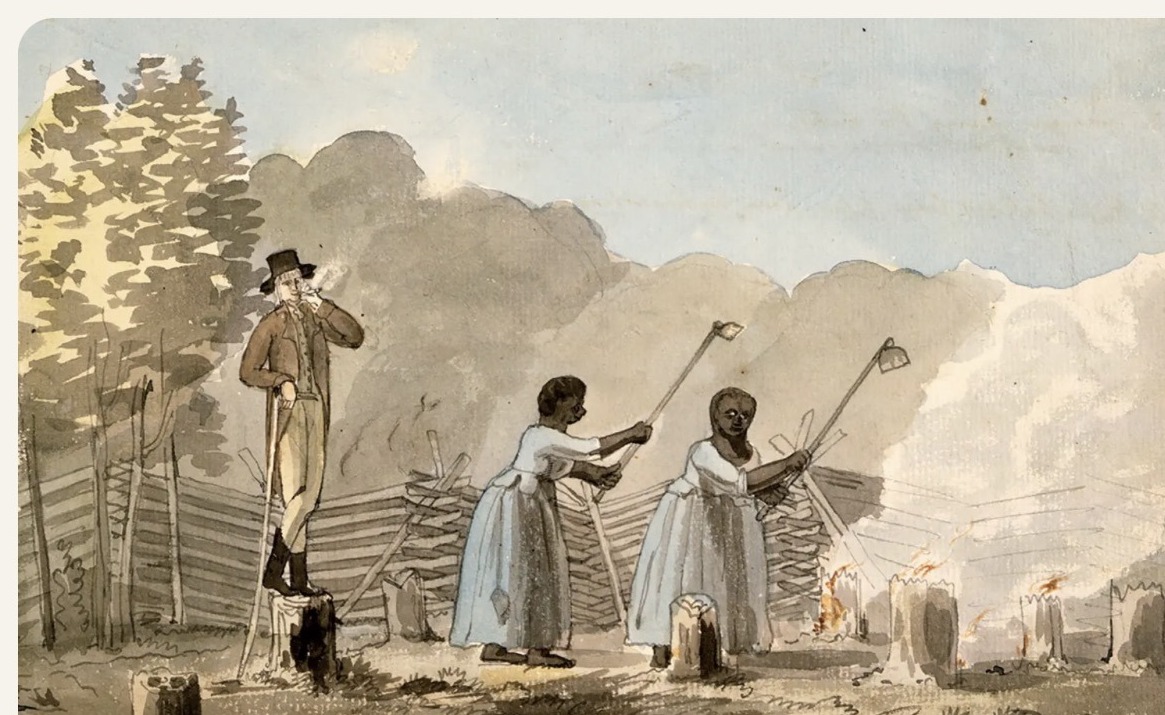
"An Overseer Doing His Duty, Near Fredericksburg, Virginia," watercolor by Benjamin Henry Latrobe, ca. 1798. Maryland Center for History and Culture.
Emancipation did not end the tobacco industry's hold on Black labor. It changed the mechanism. Sharecropping, Jim Crow, chain gangs, and mass incarceration kept Black Americans working tobacco fields for generations after 1865. The industry built its current scale on that continuity.
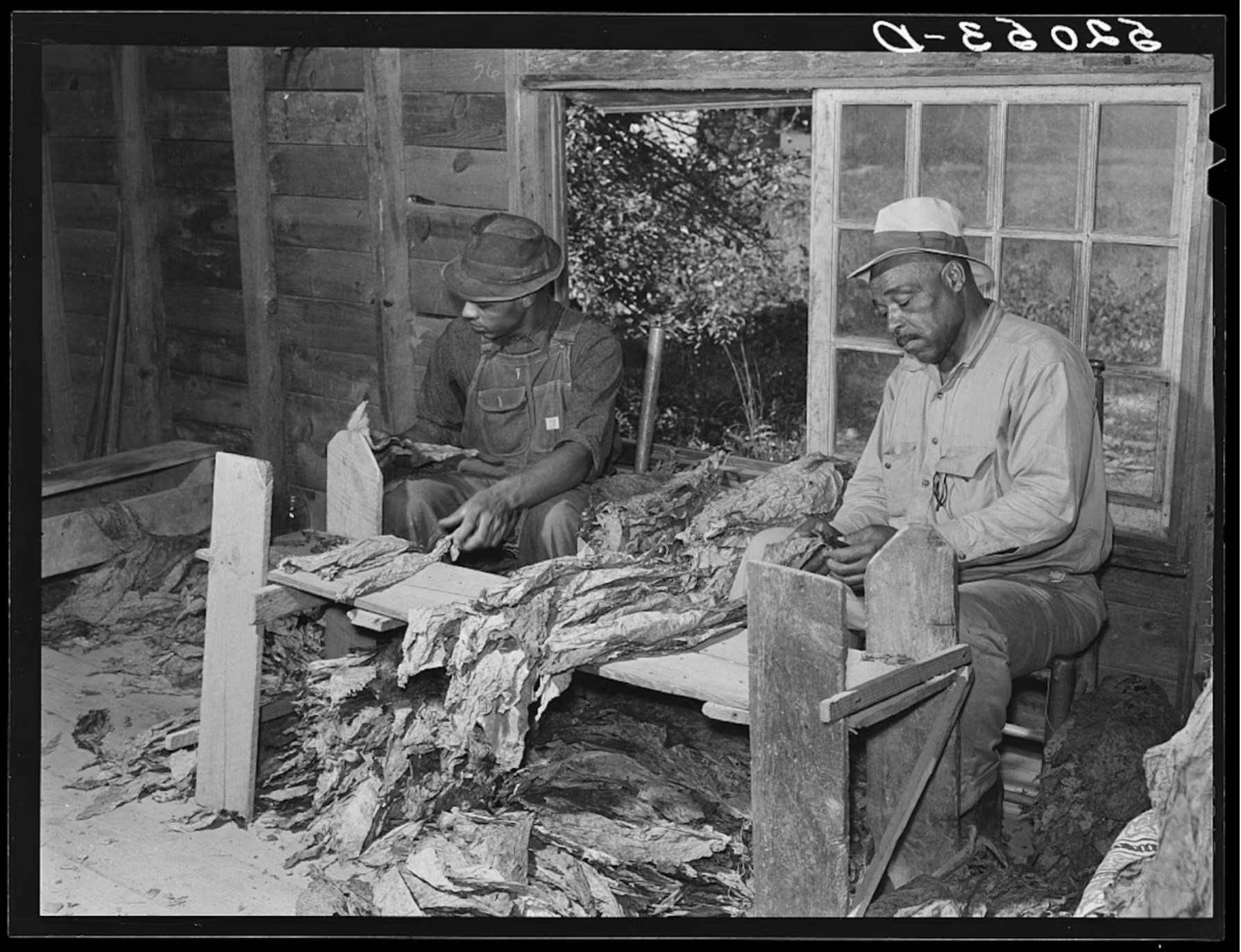
Grading and stripping tobacco in a pack house, North Carolina, circa 1939. Farm Security Administration/Office of War Information Collection, Library of Congress.
When the industry stopped needing Black labor to grow the crop, it turned to Black communities as consumers. The targeting was deliberate and documented. Menthol cigarettes were marketed heavily in Black neighborhoods beginning in the mid-20th century. According to the Campaign for Tobacco-Free Kids, 88.1% of Black smokers today smoke menthol cigarettes, compared with 31.4% of white smokers, a gap it traces to decades of targeted marketing. Stores in neighborhoods with the highest share of Black residents have more than double the odds of advertising tobacco price promotions compared with stores in the least-Black neighborhoods. The industry understood what it was doing and did it anyway.
Brazil, the world's largest tobacco exporter, saw one of its largest exporters accused of using slave labor including children on contracted farms as recently as 2021. Child labor in tobacco harvesting remains a global problem. Harvesting tobacco leaves exposes workers to nicotine absorption through the skin, a condition called Green Tobacco Sickness, which is particularly dangerous for children.
Contemporary Black-owned cigar and tobacco brands remain rare, but they exist. Tres Lindas Cubanas, launched by Miami twins Yvette and Yvonne Rodriguez, is described by Ebony as the first female, Afro-Cuban-American sisters to launch a cigar brand in the US, its three blends, La Negrita, La Mulata, and La Clarita, named for the range of skin tones among Cuban women rather than for a market gap. The historical contribution to the craft is inseparable from American tobacco's identity. That contribution has never been adequately credited.
Where Things Stand
The stories above are not feel-good exceptions. They are evidence of a pattern: significant contributions made, credit withheld, and a slow, incomplete process of acknowledgment underway.
What has changed is that some of these builders now have their names on the bottle. That matters. Nearest Green's name is on a bottle sold in every major retailer in the country. Fawn Weaver made that happen. The Williams family made a distillery from their farm. Brianna Arps made a movement from a brand.
The Uncle Nearest story took a hard turn in 2025. The company defaulted on more than $100 million in loans, and a federal court placed it into receivership that August, stripping Fawn and Keith Weaver of operational control. Court filings later put the debt at close to $200 million. It is a tragic ending to the era that built the brand. Whatever comes next will not be run by the people who wrote its founding chapter.
There may still be a good ending in this. As of this writing, an investment firm with Black ownership and leadership has signed a letter of intent to acquire most of the company's assets, with stated plans to preserve the brand and Nearest Green's legacy along with it. Nothing is final yet.
Buying a bottle of Uncle Nearest today doesn't reach the Weavers or the Green family directly, not while the company sits in receivership and the sale is still just a letter of intent. If the acquisition closes the way it's currently proposed, that changes. Until then, the more useful thing this Juneteenth is knowing the names: Nathan Green, Fawn Weaver, the Rodriguez twins, the Williams family, Brianna Arps. Credit that was never automatic still has to be given on purpose.
The Journal goes beyond the bottle.
One thoughtful piece each week on fragrance, spirits, cigars, and the stories behind them.

Sources
- Nathan “Nearest” Green’s enslavement, his employer Dan Call’s line that “Uncle Nearest is the best whiskey maker that I know of,” and Green’s hiring as Jack Daniel Distillery’s first master distiller after it opened in 1866: Wikipedia, which also identifies him as the first African-American master distiller on record in the United States, officially recognized by Brown-Forman in August 2017.
- The New York Times’ June 25, 2016 story crediting Green as the source of Jack Daniel’s whiskey-making knowledge, headlined around a “hidden ingredient”: read via a contemporaneous repost, since the original sits behind the Times’ paywall and could not be fetched directly. Neo-Griot repost.
- Fawn Weaver’s 12-month investigation with more than 20 historians, archivists, and genealogists; the $40 million she raised to launch Uncle Nearest Premium Whiskey; and the Nearest Green Distillery’s 2019 opening in Shelbyville, Tennessee: The Conversation, republished at Milwaukee Independent.
- Victoria Eady Butler as Nathan Green’s great-great-granddaughter, a fifth-generation descendant, and her role as the brand’s master blender: Wikipedia.
- Uncle Nearest’s default on more than $108 million in loans and the August 14, 2025 federal receivership order: Forbes. As of that August report the Weavers still held day-to-day control; the receivership’s scope later expanded.
- The Weavers’ eventual loss of operational control to court-appointed receiver Phillip Young: The Spirits Business.
- The company’s $207.9 million in debt, the court’s insolvency finding, and the Black-owned investment firm’s letter of intent to acquire the company’s assets while preserving the brand and Nearest Green’s legacy: AfroTech, June 2, 2026. The firm had not disclosed its identity publicly as of that report.
- Greenwood’s population and the hotels, movie theaters, doctors’ offices, and two newspapers on Greenwood Avenue: Tulsa City-County Library and History.com. On business count, sources disagree: the Library’s own itemized breakdown lists 108 documented Black-owned enterprises, while the round figure of several hundred repeated across popular retrospectives isn’t similarly itemized anywhere we could verify. We’ve softened the body’s number accordingly rather than repeat an unverified count.
- The May 31–June 1, 1921 dates, some perpetrators being deputized by city officials, the roughly 24-hour duration, the 35 city blocks and 1,256-plus structures destroyed, the contemporary 36-death count against the modern estimate of up to 300, the absence of any convictions, and insurance claims denied under the “riot” classification: Tulsa Historical Society & Museum.
- Greenwood Whiskey’s four founders, Kweillin Gordon, Sheldon Johns-Harris, James Roach, and Che Bailey: Voyage ATL. The brand’s own site names the group only as “four friends” without listing them, so we’ve deferred to the interview for full names and correct spellings.
- Brough Brothers Distillery as Kentucky’s first Black-owned distillery, and its founders Victor, Christian (“Chris”), and Bryson Yarbrough: Cincinnati Magazine. We could not verify a specific competition medal for the distillery and removed that claim.
- Delta Dirt Distillery’s four generations of Williams family farming in Phillips County, Arkansas, the shift from cotton and corn to sweet potatoes, the Arkansas Brown whiskey line, and the February 28, 2025 NBC Nightly News feature reported by Morgan Radford: Delta Dirt Distillery.
- The Zippia estimate that 68.6% of American perfumers are white, drawn from a sample of just 42 resumes for an occupation the federal government doesn’t track separately: Zippia. Zippia’s page sits behind a bot check that blocked direct verification this session; the figure matches this site’s prior sourcing of the same statistic elsewhere. Treat it, and the accompanying Black-perfumer estimate cited in the body, as a rough approximation rather than a census.
- Chris Collins’s 20 years as a Ralph Lauren model, his introduction to niche perfumery by Kilian Hennessy, World of Chris Collins’s 2018 launch, and its January 2022 debut as the first Black-owned fragrance brand stocked by Sephora: Beauty Independent.
- Brianna Arps and Moodeaux launching nationwide at Credo as its first Black-owned fragrance brand, the Black In Fragrance project, and Arps’s 2023 Essence Best in Black Beauty “Beauty Boss of the Year” award: Moodeaux’s own founder page. We found no record of a 2025 Essence award for Arps and corrected the body to the documented 2023 win.
- Kimberly Walker’s ten years as a luxury fragrance sales manager, her self-taught study of fragrance chemistry beginning in 2015, and Artsy as her top seller: KIMBERLY New York’s own site.
- Qhue’s 2018 founding by Quentin Hernandez, his decade in fashion before the brand, and his self-taught perfumery: Qhue’s own site, which we’ve followed over the 2021 date some fragrance directories list, likely the year specific fragrances launched rather than the brand’s founding.
- Harlem Perfume Co.’s founding by Teri Johnson, who also founded Harlem Candle Co. in 2014; its place in Sephora’s 2024 Accelerate cohort; and its Harlem Renaissance-inspired fragrance names, including Duke, named for Duke Ellington: Beauty Independent.
- Dawn Marie West’s background as a fine art photographer and museum supervisor before founding La Boticá in 2018, and the brand’s Palo Santo sourced from a family-run Ecuadorian farm: Garmentory’s founder profile. We could not independently confirm West is from Queens or that the brand donates to Dominican youth education programs, so both specifics were removed from the body.
- Tres Lindas Cubanas as, per Ebony, the first female, Afro-Cuban-American sisters to launch a cigar brand in the US, and its three blends, La Negrita, La Mulata, and La Clarita: Ebony. Other outlets frame the same brand more narrowly, as Miami’s first Afro-Cuban, woman-owned cigar business, so we’ve matched the body’s claim to Ebony’s specific wording rather than a broader national claim.
- Virginia’s tobacco economy shifting from indentured to enslaved labor, with enslaved workers outnumbering indentured servants by 1700: Encyclopedia Virginia. We could not verify an earlier draft’s claim that tobacco itself was a standard currency used to purchase captives on the West African coast, and removed it; documented barter goods in that trade were metals, cloth, beads, alcohol, and firearms.
- Green Tobacco Sickness, its cause (nicotine absorbed through the skin), and its heightened risk to children and adolescent workers: OSHA.
- Brazil as the world’s largest tobacco exporter, and the 2021 slave-labor and child-labor accusation against tobacco exporter CTA Continental Tobaccos Alliance in Rio Grande do Sul: Freedom United.
- Menthol cigarette use today, 88.1% of Black smokers versus 31.4% of white smokers, and the more-than-doubled odds of price-promotion tobacco advertising in the most heavily Black neighborhoods: Campaign for Tobacco-Free Kids. We could not verify an earlier draft’s specific 1950s menthol-use figure and removed it rather than repeat an unsourced number.
- The outbound links elsewhere in this piece, to unclenearest.com, greenwoodwhiskey.com, broughbrothers.com, deltadirtdistillery.com, and each fragrance and cigar brand’s own site, are product references for readers who want to see the brands directly. They are not citations for the claims above.