Key Takeaways
- Islay is a legally protected whisky region under the Scotch Whisky Regulations 2009, and the protection is entirely geographic. There is no peat requirement attached to the name at all.
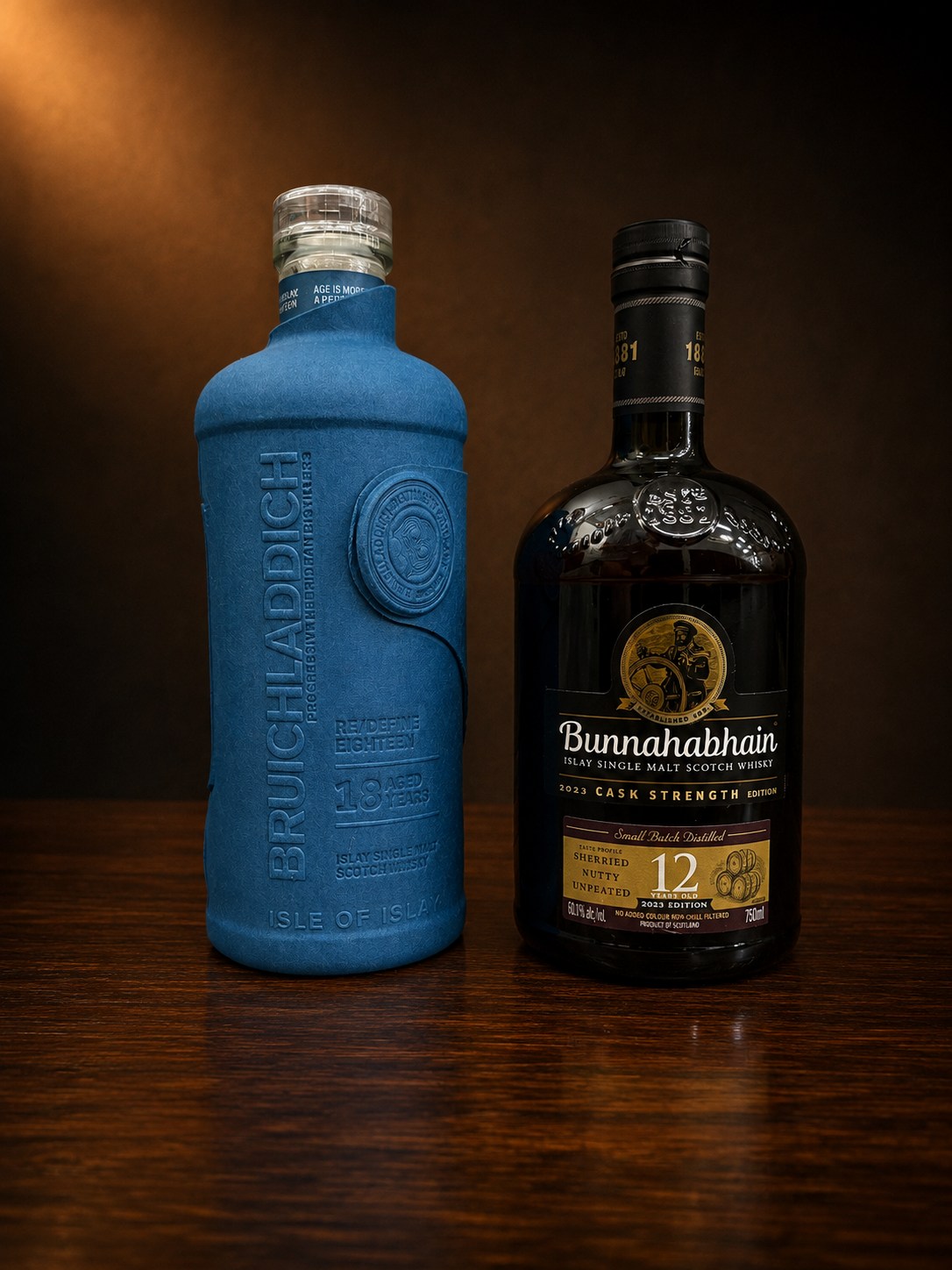
- I own whisky that proves both directions of that. Bunnahabhain and Bruichladdich are legitimately Islay and barely peated. Balvenie, Ledaig, and Talisker are meaningfully peated and nowhere near Islay.
- Around twenty peated bottles from my own shelf, examples grouped by production choice rather than a full catalog or a ranking by taste, plus a Japanese distillery built to emulate Islay's climate and a scent that puts its own peat note on the label.

Islay whisky and peat get treated as synonyms. They aren't. One is a place with a legal boundary drawn around it. The other is a production choice a distiller can make or skip, on Islay or anywhere else.
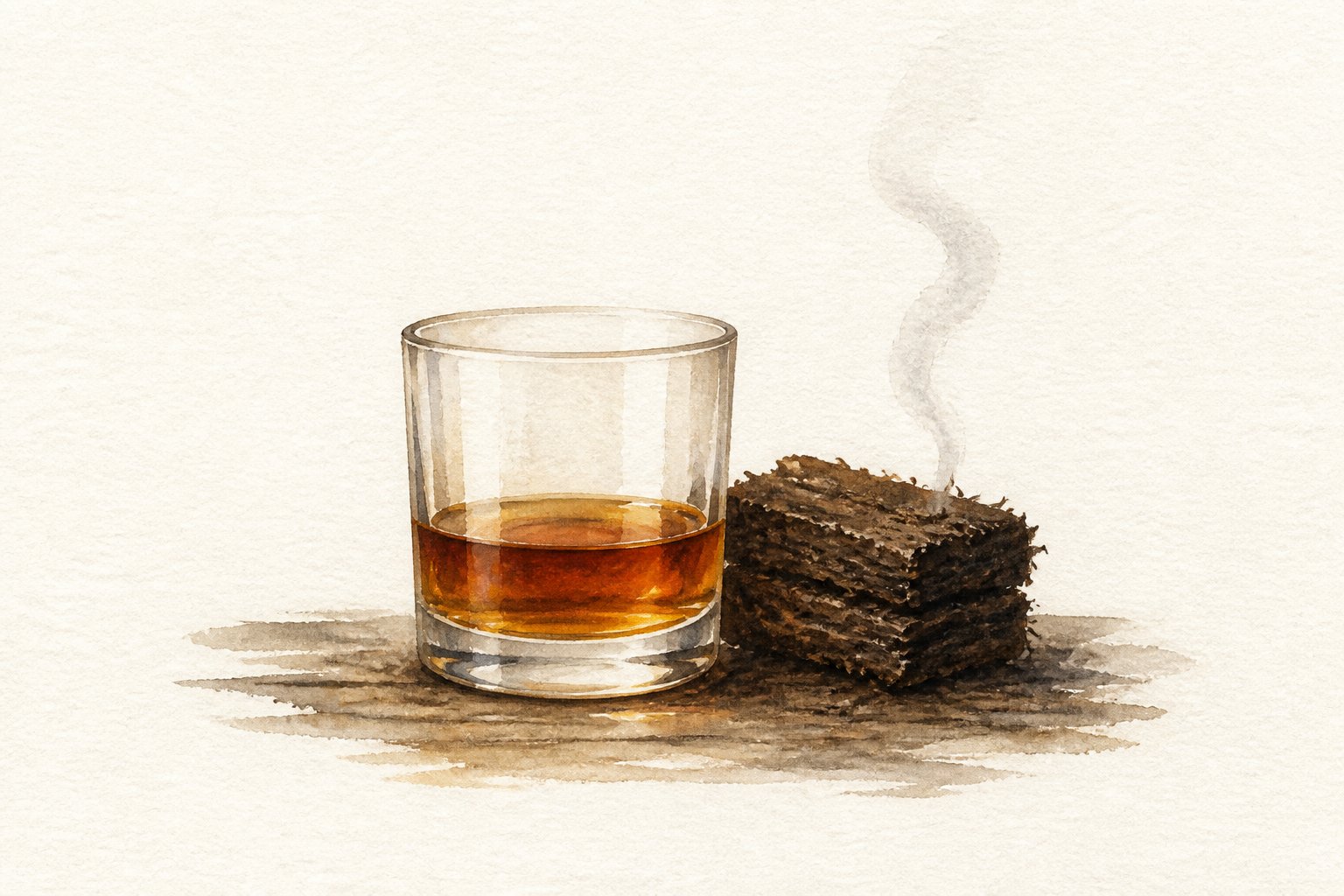
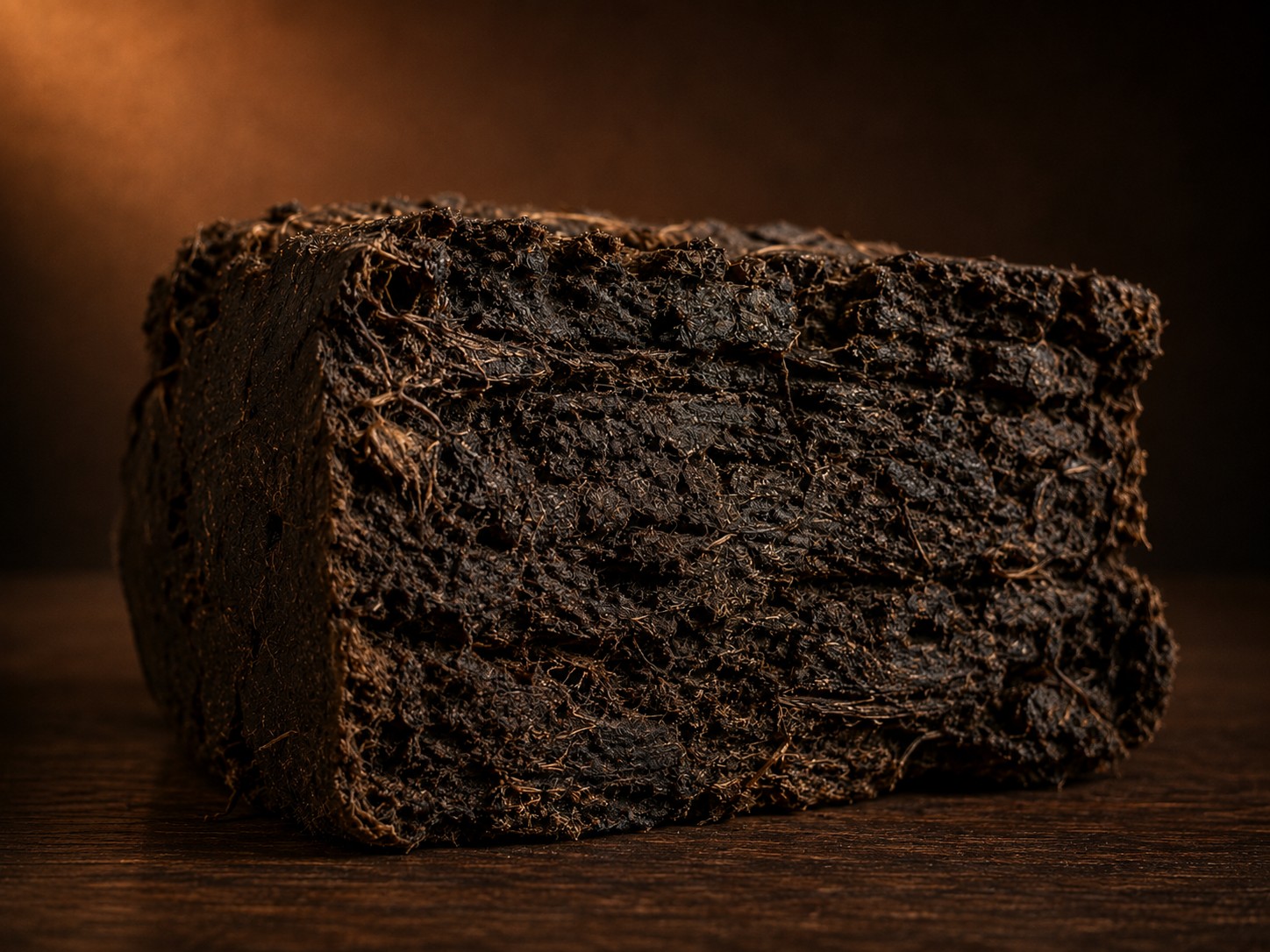
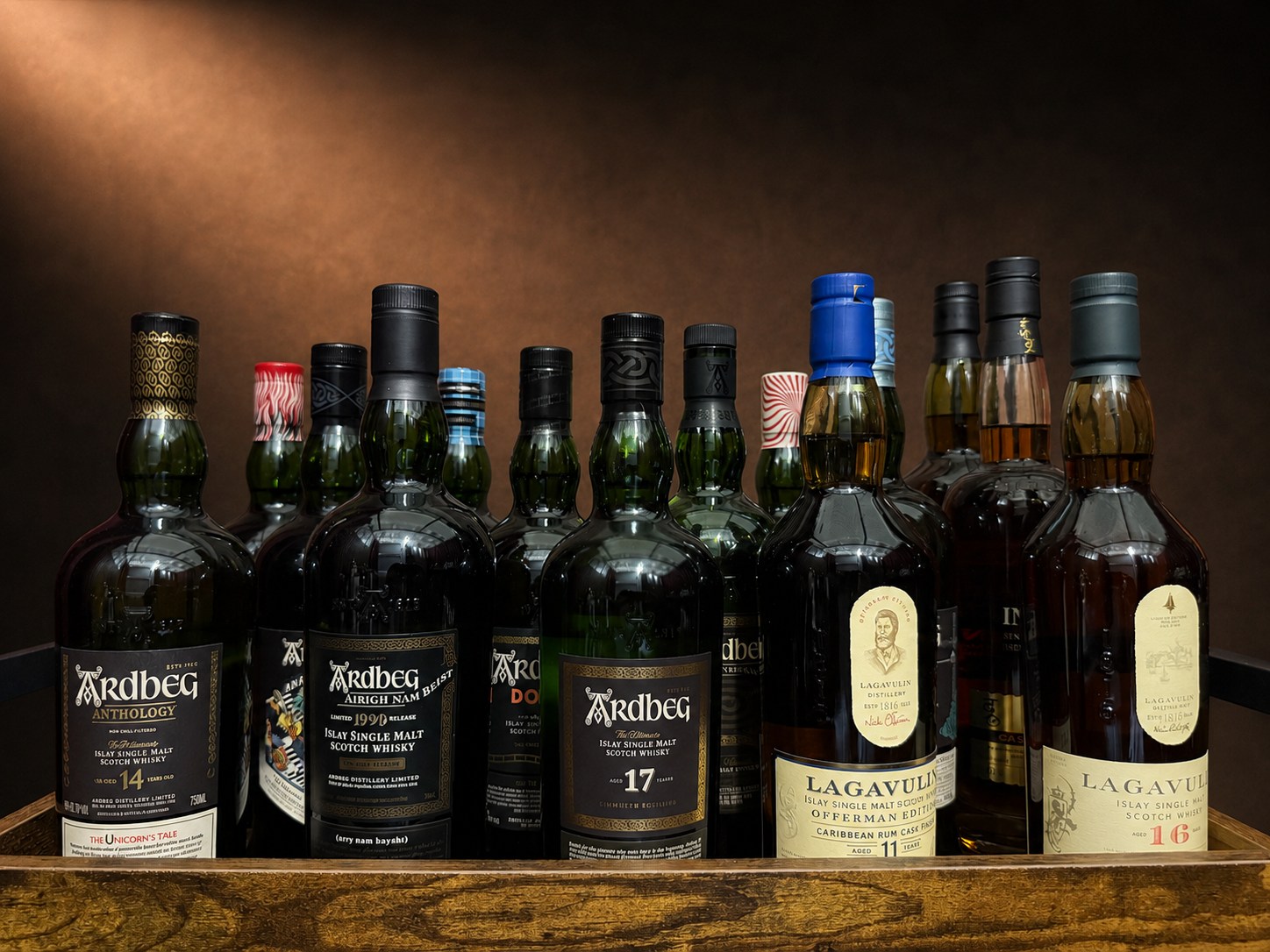
Peat is partially decayed moss, heather, and sedge, accumulated and compacted over thousands of years in a waterlogged bog. Some distilleries burn it under the malting kiln, and smoke drifts up through the barley on a perforated floor. The husk absorbs phenolic compounds as the smoke passes through, reported afterward in parts per million. The number describes the malt, not the bottle. Ardbeg runs around 55 PPM, Laphroaig 40 to 45, Lagavulin 35 to 37. Fermentation and distillation strip a lot of that away: Ardbeg's 55 PPM malt lands around 24 to 26 PPM in the new-make spirit.
The Scotch Whisky Regulations 2009 protect five localities and regions, including Islay, but the test is only where the whisky was distilled. Nothing in the law mentions peat. Bunnahabhain and Bruichladdich sit inside the Islay boundary as legitimately as Ardbeg does, and their standard malt runs close to zero PPM, roughly 2 and 4. Both also make heavily peated whisky under separate labels, which only proves peat is a choice, not a location.
The Reverse Holds Too
Balvenie 19 Year Old Week of Peat comes from Speyside, a region that's almost entirely unpeated by convention. Ledaig is Tobermory's peated line, made on the Isle of Mull. Talisker 10 is Isle of Skye, medium-peated around 20 PPM. Peat use was once widespread across Scotland, and Islay became distinctive largely because its distilleries retained strongly peated styles after much of the industry moved toward coal, coke, and rail fuel.
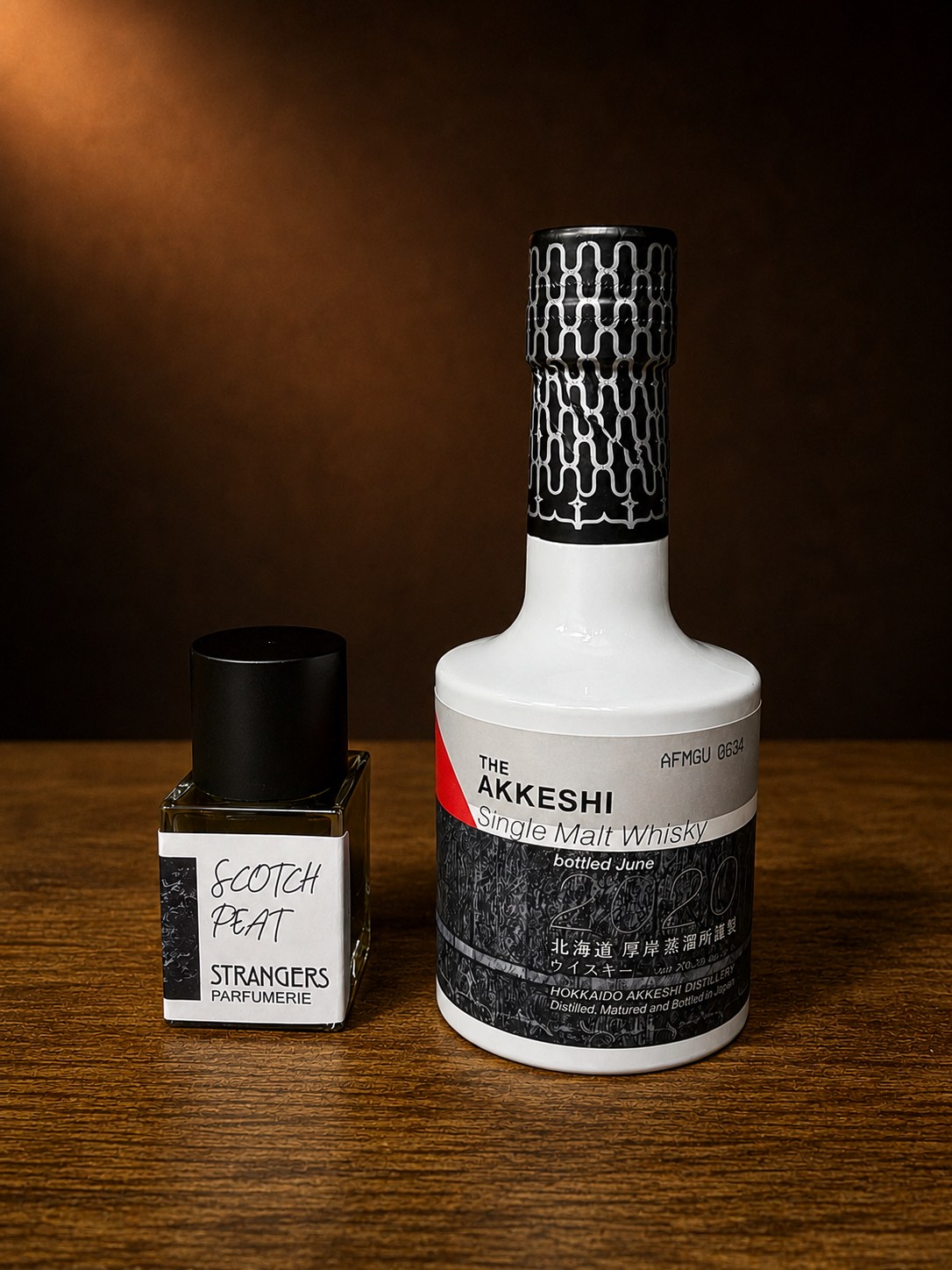
Peat shows up two more ways past that. A handful of distilleries built an ocean away from Scotland kiln their malt with peat smoke the same way Islay does. A couple of rums picked up their smoke secondhand instead, finished in casks that once held peated whisky rather than distilled from peated malt at all. And one bottle on my own shelf puts its own peat note right on the label, filed under a scent category no whisky database tracks.
Want the full story?
Read the Full Article →