Key Takeaways
- Digestifs trace back to 13th-century monastery medicine, herbs macerated in alcohol that eventually became drinks like the Negroni and the Aperol Spritz.
- They run on a spectrum from light and citrusy (Aperol) to intensely bitter and medicinal (Fernet-Branca), with Campari, Averna, Montenegro, and Cynar in between.
- A splash in a Manhattan, Fernet with Coke, or a Mexican Negroni (mezcal plus a spicy amaro) all put them to work beyond drinking them neat after a meal.
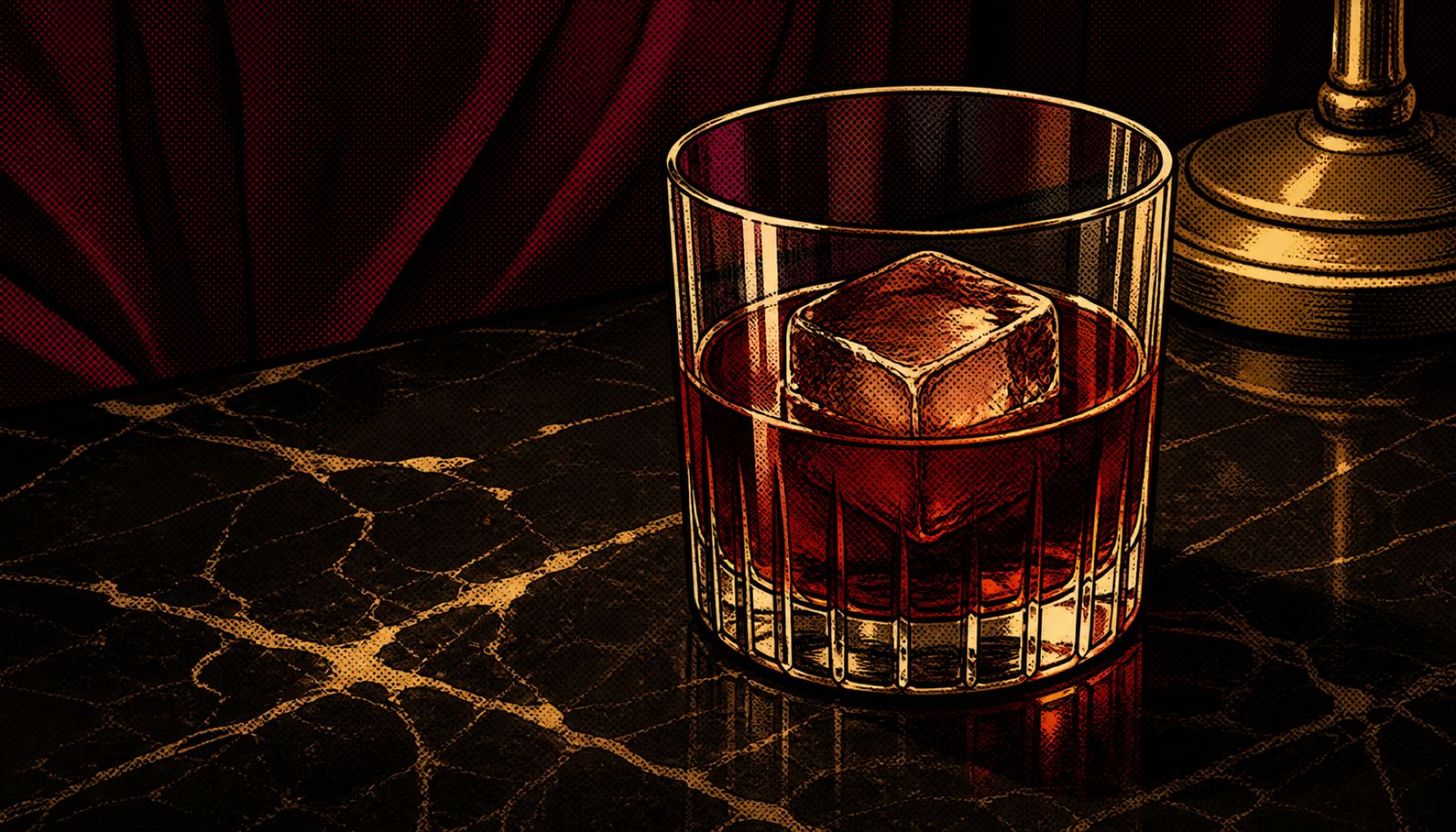
Amaro means bitter in Italian. It's also one of the most rewarding rabbit holes in the spirits world.

The story starts in monasteries. As far back as the 13th century, monks were macerating herbs in alcohol to preserve them. These preparations were medicines first, meant to treat everything from stomach trouble to fever. Over time, the recipes got refined, the formulas got guarded, and what started as remedies became some of Italy's most beloved drinks.
The Negroni wouldn't exist without them. Neither would the Aperol Spritz. And in Argentina, Fernet-Branca is practically a national symbol. The popular story is that it became the drink of choice on college campuses in the 1980s when students boycotted British whiskey during the Falklands War, mixing it with Coke instead. It's a good story, but not every drinks historian agrees. Some credit a late-1980s marketing push, not war-era politics, for the Fernet-and-Coke pairing that stuck.
What They Are
Digestifs are bittersweet herbal liqueurs made by macerating herbs, roots, bark, citrus peel, and spices in a base spirit, then sweetening slightly. Every producer has their own recipe, often guarded for generations.
Italy's amari are the most famous, but France has its Chartreuse and Calvados, Germany has Underberg and Jagermeister, Eastern Europe has its own traditions of herbal bitters going back centuries. The world is full of them. We'll explore those in future posts. For now, let's start with the Italian canon.
Why They Matter
Most spirits have a fairly defined flavor profile. Digestifs are different. They're complex in a way that takes time to appreciate. The bitterness isn't harsh, it's layered. Behind it you'll find herbs, citrus, chocolate, smoke, anise, and dozens of other things depending on what you're drinking.
They're also functional. Italians drink them after meals for a reason. The bitter compounds genuinely aid digestion. It's not just tradition.
The Range
Think of it as a spectrum from light and citrusy to intensely bitter and almost medicinal.
Aperol The entry point. Light, sweet, orange-forward. Low ABV. This is where most people start, usually through an Aperol Spritz.
Campari Bolder and more bitter than Aperol. The backbone of the Negroni and the Americano. Created by Gaspare Campari in 1860 at his café in Novara — the business didn't move to Milan until a few years later — it's one of the most influential drinks in cocktail history. Orson Welles is widely credited with describing the Negroni by saying the bitters are excellent for your liver, the gin is bad for you, they balance each other, though the original clipping has never turned up, so treat it as a well-worn attribution rather than a verified quote.
Averna A Sicilian amaro. Smooth, herbal, with notes of citrus and licorice. One of the most approachable on the shelf. Good starting point for someone moving beyond Aperol.
Montenegro Lighter than Averna, with more floral and citrus notes. One of the most elegant amari made.
Cynar Made from artichoke among other botanicals. Bitter, earthy, slightly vegetal but in a good way. More complex than it sounds. Worth seeking out. Cynar 70 Proof is the higher-strength version and has a bolder, more concentrated character. If you can find it, try both side by side.
Vecchio del Capo A Calabrian amaro from southern Italy. Smooth, herbal, with a pleasantly warming finish. Less well known than the others but genuinely excellent. The Red Hot edition adds a spicy kick that works particularly well in a Negroni. If you like things with some heat, this one is worth tracking down.
Fernet-Branca The far end of the spectrum. Herbal, mentholated, intensely bitter. An acquired taste that becomes a craving. Argentina runs on it. Bartenders around the world drink it as an end-of-shift shot.
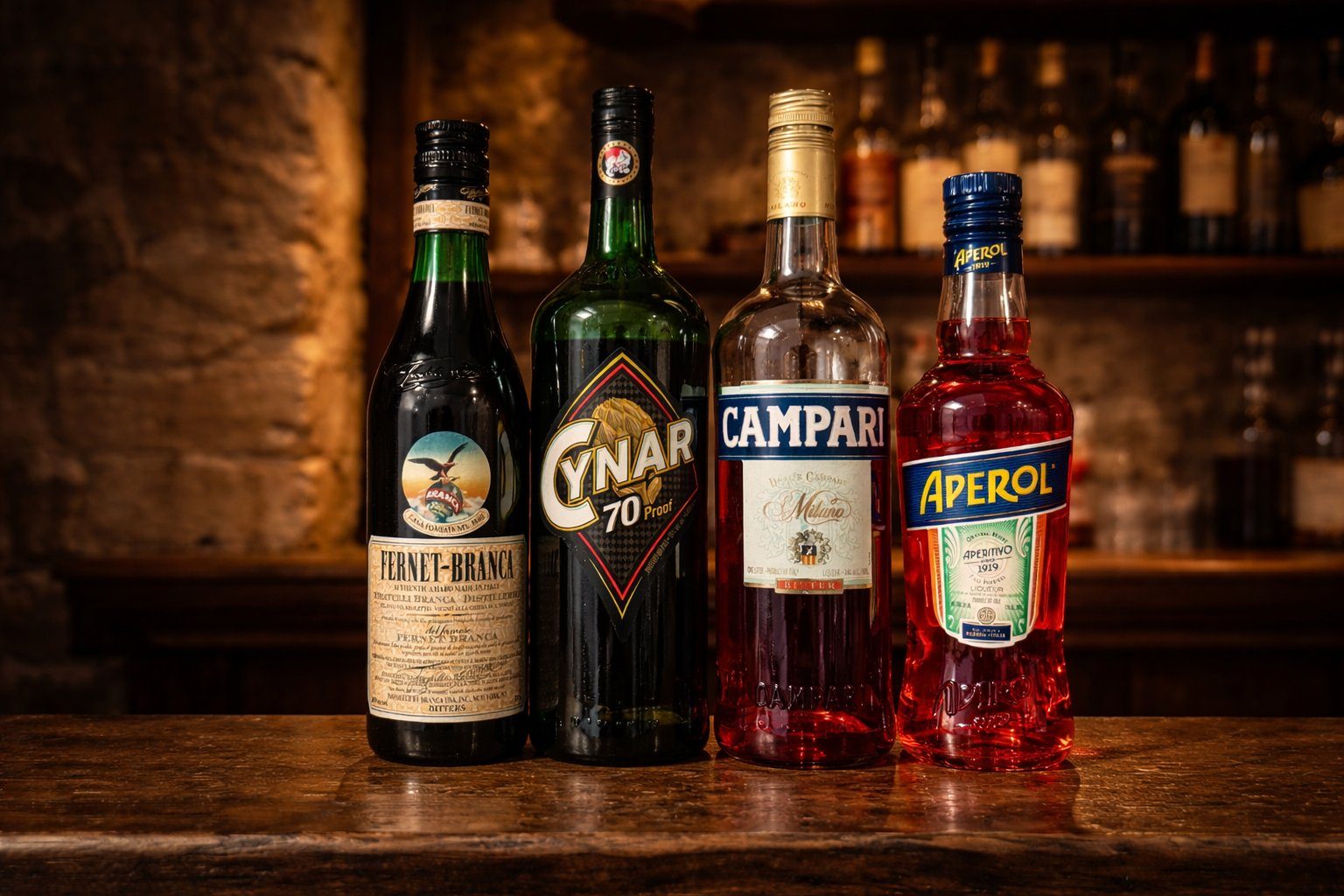
From left to right: Fernet-Branca, Cynar 70 Proof, Campari, Aperol
How to Drink Them
Neat at room temperature after a meal is the traditional way. Over ice works well for the lighter styles. Many make excellent cocktail ingredients. A splash of Averna in a Manhattan adds depth without complicating it. Fernet and Coke is one of the world's great pairings, whether you expect it to be or not.
For Negroni fans: try a Mexican Negroni. Swap the gin for mezcal and use Campari or a spicy amaro like Vecchio del Capo Red Hot. The smokiness of the mezcal and the bitterness of the amaro create something genuinely special. It's one of those drinks that makes you wonder why you ever made it any other way.
The bitterness is the point. Don't fight it. Let it land.
Coming in future posts: Digestifs 201, a deeper look at Italy, France, Germany, Eastern Europe, and the rest of the world's bitter traditions.
The Journal goes beyond the bottle.
One thoughtful piece each week on fragrance, spirits, cigars, and the stories behind them.

Sources
- Monks macerating herbs in alcohol as medicine as far back as the 13th century, a tradition that fed into what became amaro: Asterley Bros, "Medicinal Roots of Vermouth and Amaro".
- Campari's creation by Gaspare Campari in 1860: Campari's own company history. The location was his café in Novara, not Milan — Milan came later, after he resettled there: Difford's Guide, Campari heritage, corroborated by Wikipedia: Gaspare Campari.
- The Orson Welles Negroni line: Difford's Guide ties it to a 1947 item reputedly filed with the Coshocton Tribune while Welles was filming Black Magic in Rome, but calls it a "reputed" quote rather than a documented one: Difford's Guide. No source we found independently verifies the original clipping, so it's treated here as a well-worn attribution, not a confirmed quote.
- Fernet-Branca's rise as a campus drink in Argentina: the Falklands War whiskey-boycott story, tracing it to Cordoba students in 1982, appears in New Worlder. A separate history from the brand's own distributor credits a late-1980s marketing push in Cordoba instead, with no mention of the war: The Spirits Business. Both accounts are named here rather than one being picked as settled.
- Bitter compounds having a genuine digestive effect, not just a traditional one: bitter taste receptors in the gut trigger gastric acid secretion and gut-hormone release that affect digestion, per a 2024 review in Nature Reviews Gastroenterology & Hepatology.
- Tasting notes on individual amari (Aperol, Averna, Montenegro, Cynar, Vecchio del Capo, Fernet-Branca) and the cocktail suggestions (a splash of Averna in a Manhattan, Fernet and Coke, the Mexican Negroni) reflect the author's own palate and practice rather than a cited source.